Historic sites
Aigyrzhal-2 Archaeological Site
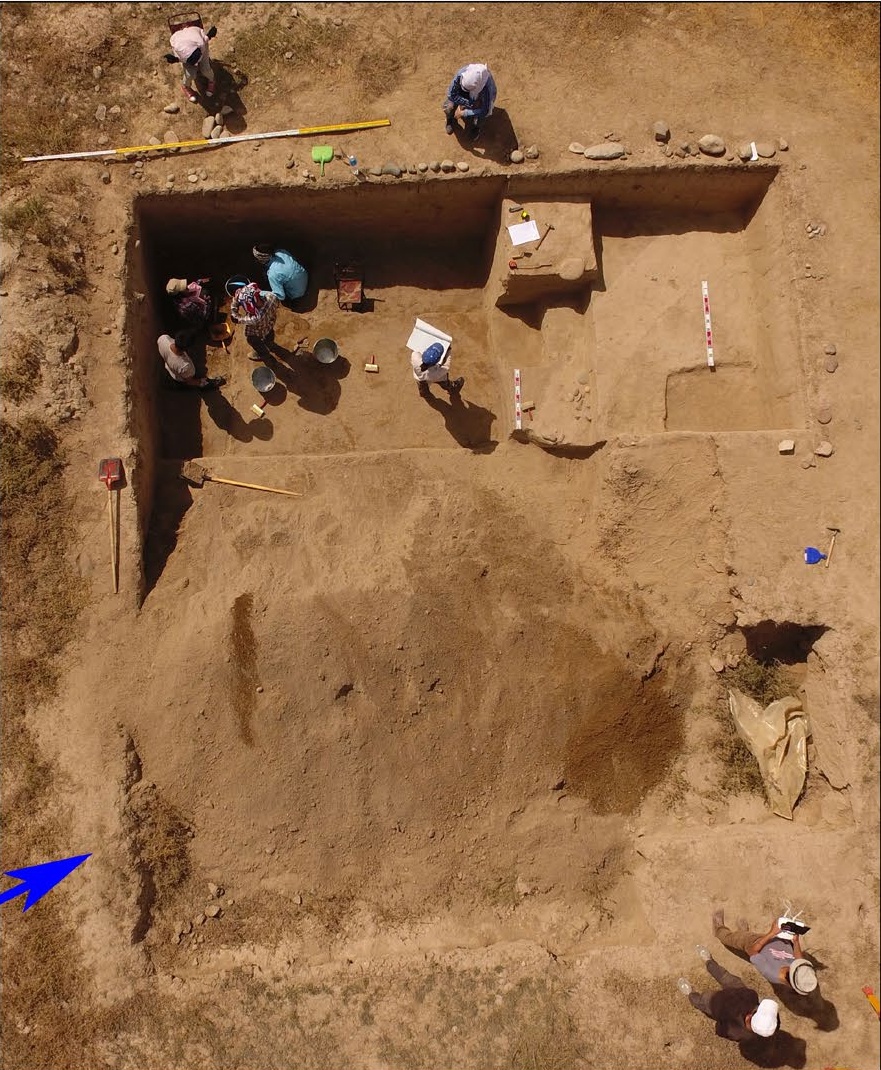
Aigyrzhal-2 is an archaeological site on the University of Central Asia’s Naryn campus. Excavations have revealed settlement and burial evidence from several periods.
 Photo: Aida Abdykanova · Copyright retained; source credited; no open licence stated · Source · License
Aigyrzhal-2 is an archaeological site on the University of Central Asia’s Naryn campus. Excavations have revealed settlement and burial evidence from several periods.
This is a research and conservation site, not a promised open-air museum with a fixed visitor circuit. Ask the university or a local cultural guide whether an accompanied visit can be arranged. Construction, study areas and protected remains require a different approach from freely walking across an ordinary pasture.
Even when field access is unavailable, learning about the excavations provides context for a visit to Naryn’s museum and river landscape. Do not disturb stones, collect fragments or step into excavations. The value of the place depends on retaining the relationship between objects, soil layers and their documented position.
Plan your visit
Getting there
Visit only with permission and current access instructions from the site institution.
When to visit
Research-site access is arranged separately from the tourist season.
Good to know
Confirm local access, opening arrangements and any entry rules before travel. Respect protected sites and local communities; leave the place as you found it.
Sights in and around Aigyrzhal-2 Archaeological Site
Open each place for its description and visit details. Out-of-town stops require a separate journey.
Naryn Region
Naryn
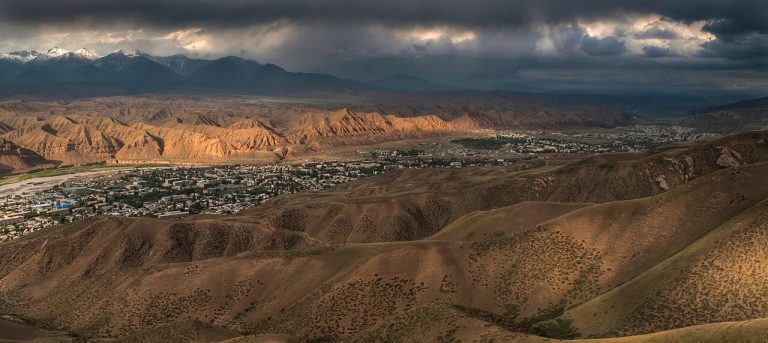
Naryn stretches through the valley of the river that gives the city its name. It is an important base for journeys into the central Tian Shan, but it also offers a chance to pause and understand a highland regional centre before travelling into less populated country.
Naryn Region
Naryn Regional Museum of Kaken Mambetalieva
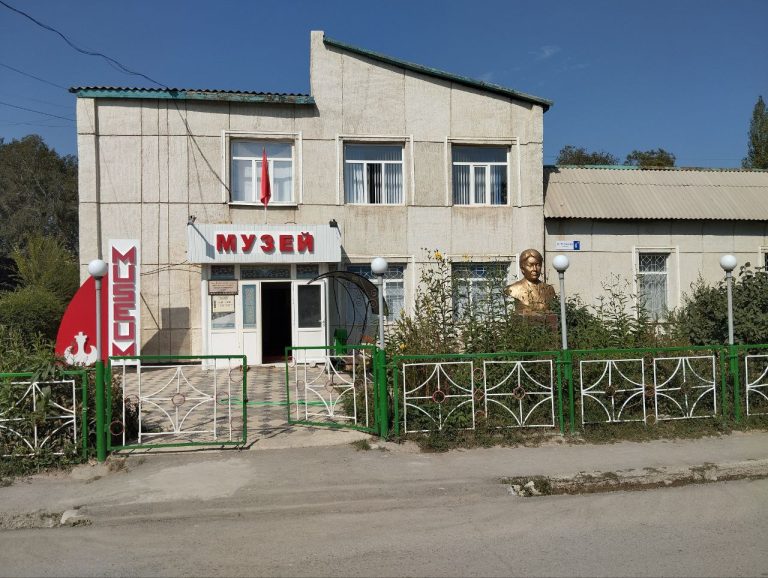
Naryn’s regional historical and ethnographic museum is named for Kaken Mambetalieva. Its collections introduce the region’s history and everyday life.