TRAVEL ARTICLES
Bikepacking in Kyrgyzstan: Routes and Preparation
Plan a bicycle journey by surface, climbing and dependable supply points. Compare published routes without confusing a long mountain expedition with a simple touring day.
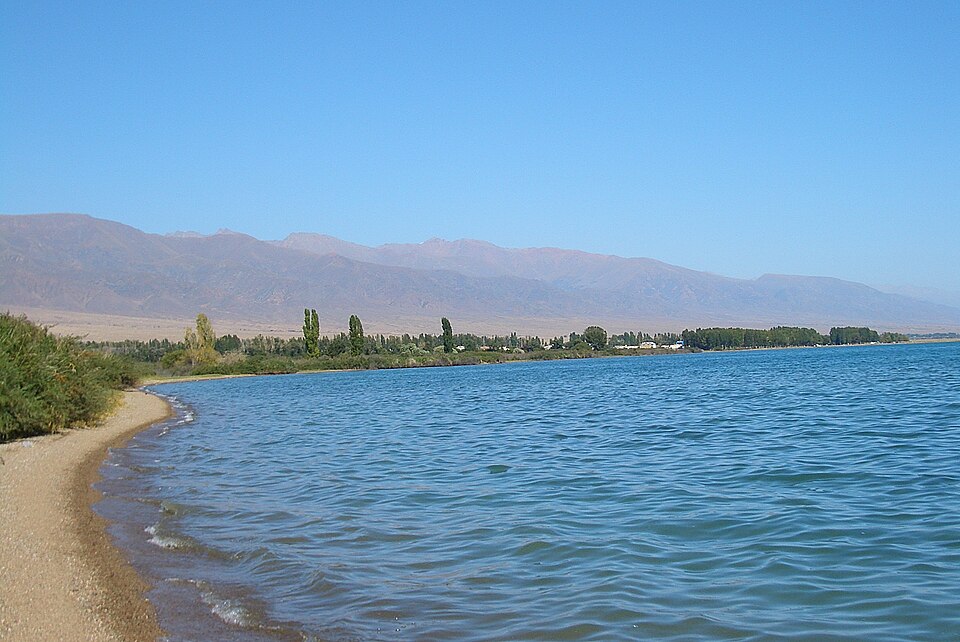
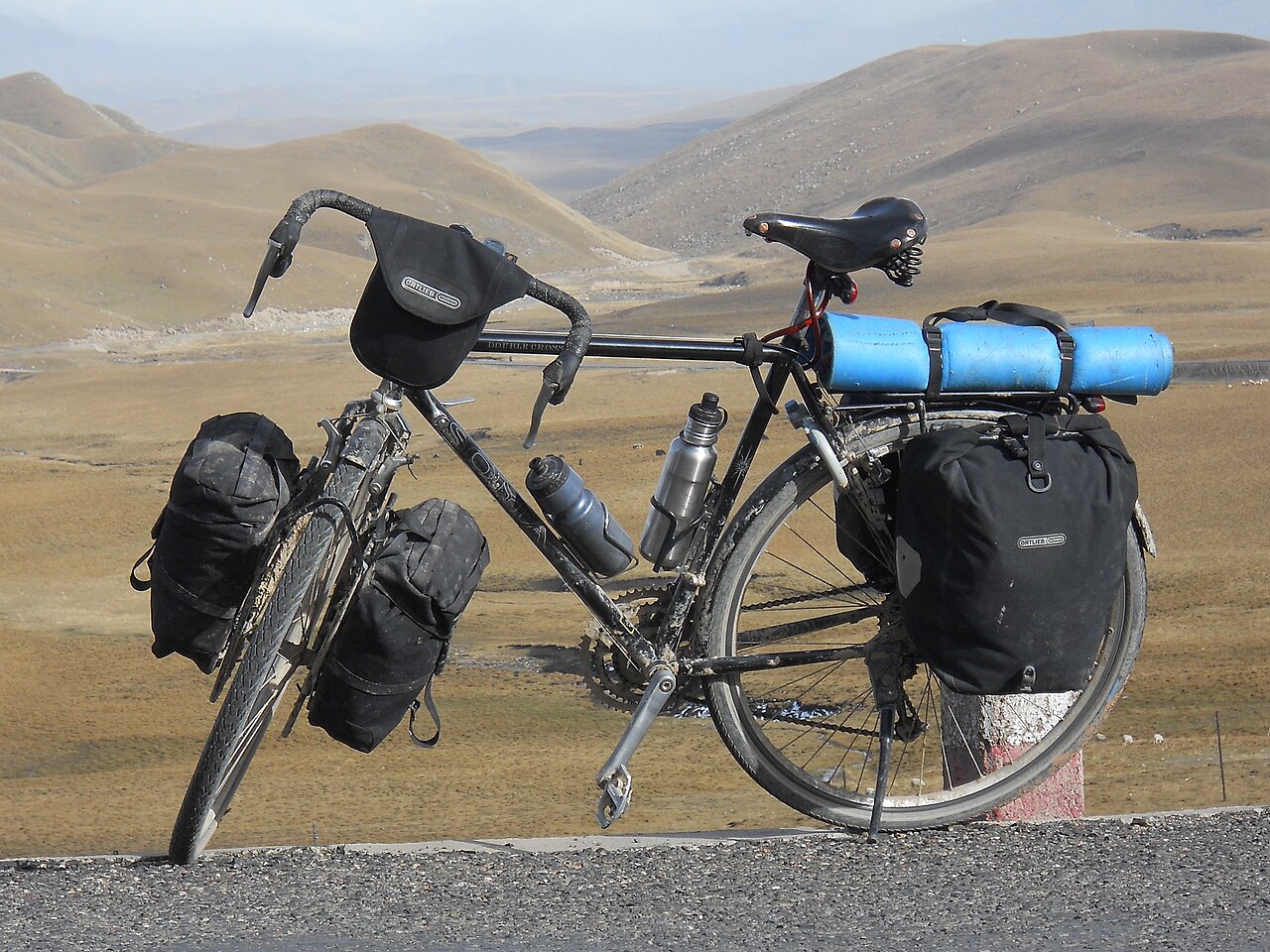 Photo: Keithonearth · CC BY-SA 3.0 · Source · License
Choose a cycling route
Kyrgyzstan’s appeal for bikepacking is the variety between settled valleys, open pasture and mountain roads. The Tian Shan Traverse and Celestial Divide are published route concepts to research, not interchangeable beginner rides. Read the original route notes as well as the map. Decide whether you want a supported journey, independent camping or shorter stages between guesthouses before committing to a particular line.
Prepare your bike for the terrain
Check tyres, brakes, gearing and attachment points against your proposed load and terrain. A bike that feels comfortable without bags may handle differently on a rough descent. Practise with everything aboard, including the water you expect to carry. Learn the repairs your own equipment requires and pack compatible tubes or plugs, pump, chain essentials and the tools you know how to use. Availability of a replacement part in the next town should be confirmed rather than assumed.
Allow for climbing when planning daily stages
A short day with a long climb and rough surface can be harder than a much longer paved valley stage. Inspect the profile and identify sections where you may need to push. Keep an alternative that returns to a settled valley rather than adding another high crossing. The cycling catalogue can help compare ideas, but a published itinerary is a starting point for your own pace, not a deadline to reproduce.
Plan where to buy food and water
Mark confirmed places to obtain food and suitable drinking water, then count the time between them with a realistic reserve. Ask about opening and availability close to departure. A named settlement does not guarantee a shop, card payment or a meal at your arrival time. Discuss dietary needs with hosts and agree late arrival arrangements. Keep essential food accessible so a delayed meal does not force an unplanned rush over the next hill.
Prepare offline navigation and backup power
Download the track and the surrounding map, including roads you might use to leave the route. Test them offline and carry charging capacity appropriate to the gap between reliable power sources. Protect electronics from rain and dust. Record important addresses and contacts somewhere other than a single phone. If you use a handlebar device, practise following it on a local ride so navigation does not distract you on demanding ground.
Respect local communities along the route
Allow space for herds, slow near houses and ask before camping close to a household or working pasture. Stay on established tracks rather than spreading tyre marks across the grass. High mountain stages need a fresh weather and access check, even when the route report was written in summer. A rest day in a village can restore both rider and bicycle and give the journey more substance than simply completing a continuous line.
Photo gallery
10 photos · select to enlarge
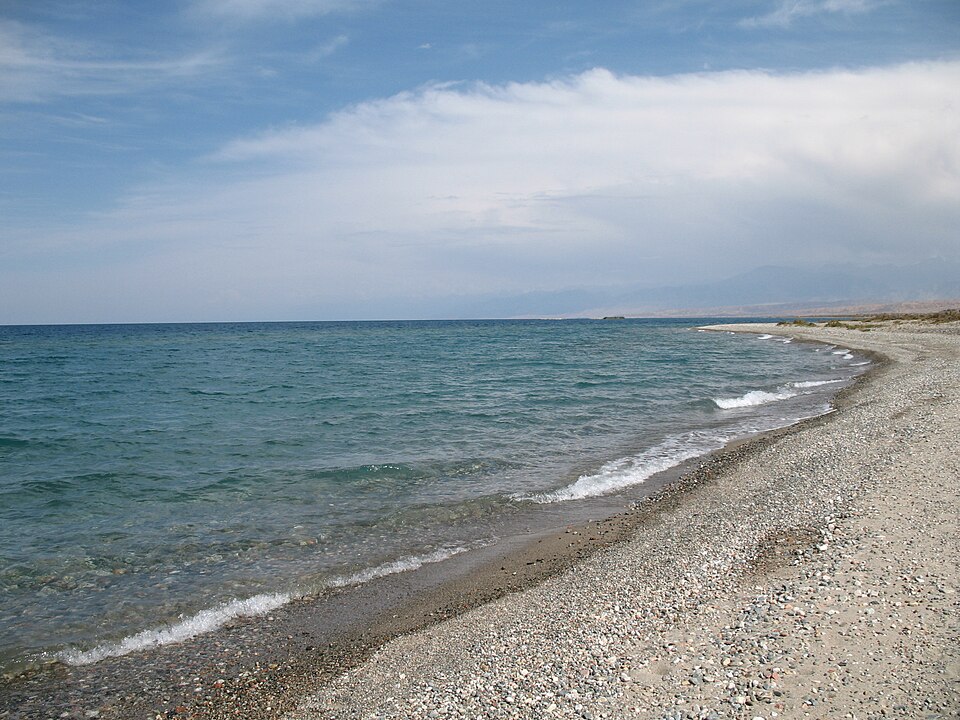
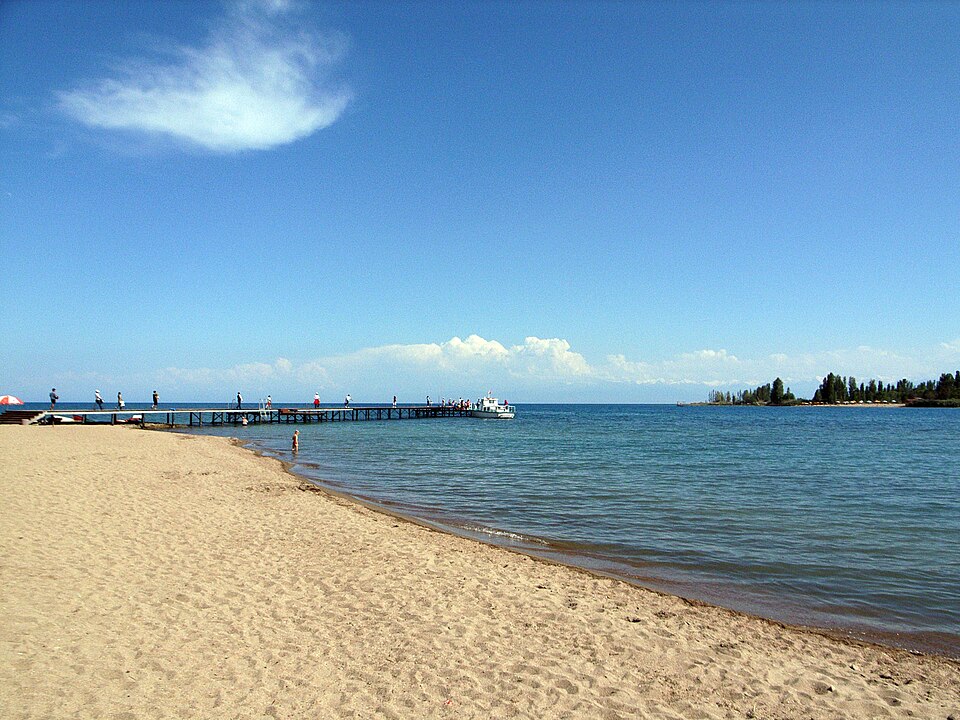
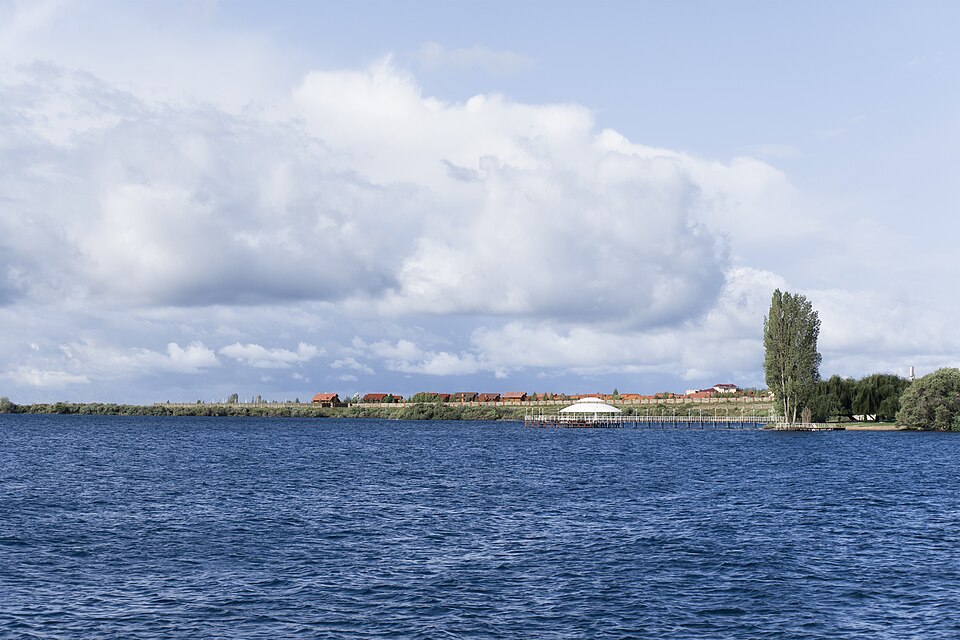
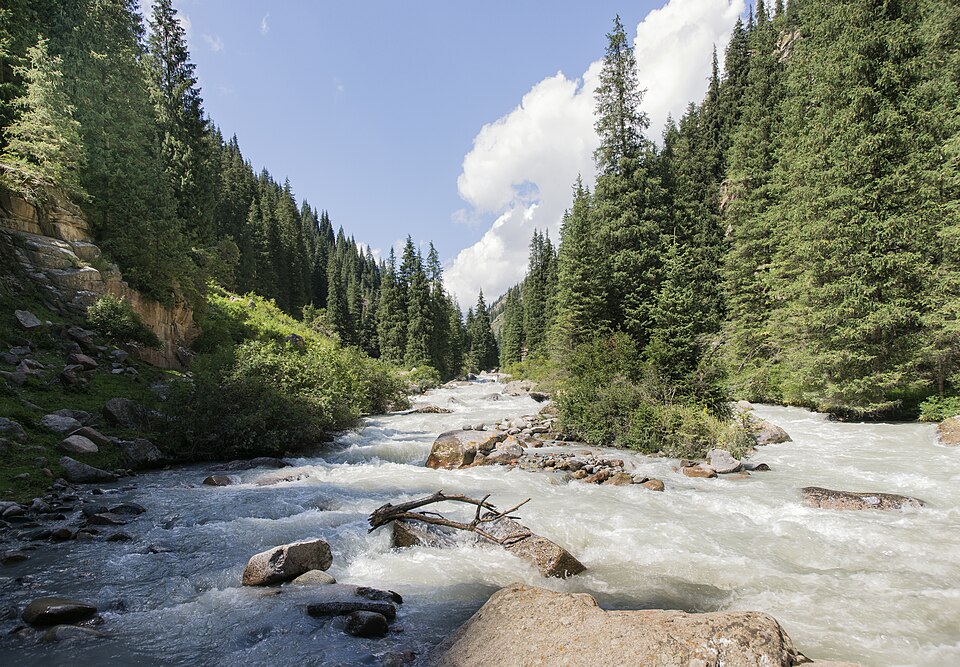
Destination photographs illustrate this article; they do not document every region or route discussed.