TRAVEL ARTICLES
Staying in a yurt in Kyrgyzstan: booking, etiquette and packing
Prepare for a yurt stay in Kyrgyzstan: choose the setting, check bedding and meals, arrange the transfer, pack for the night and respect your hosts.
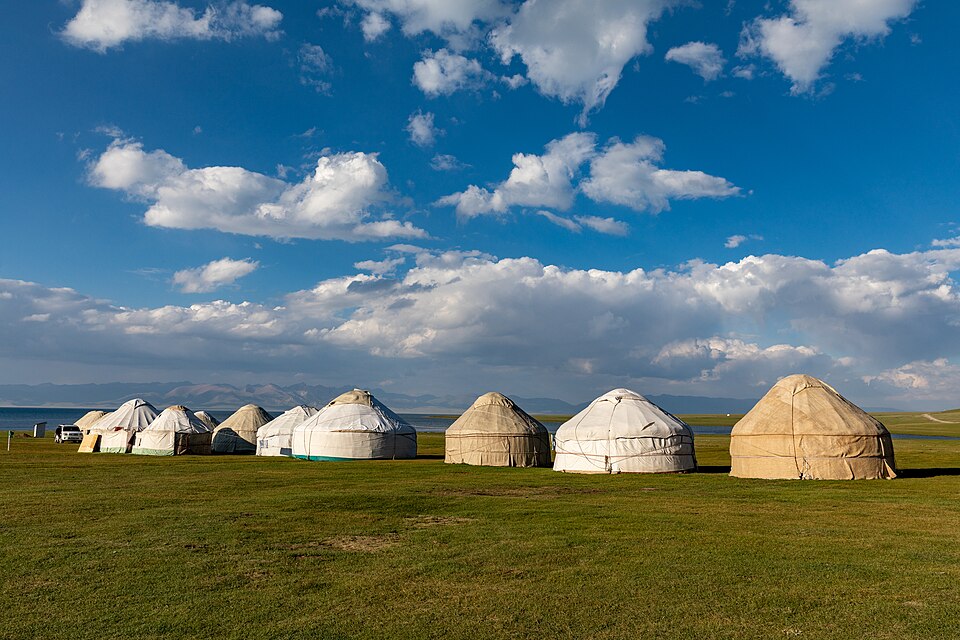 Photo: Ninara from Helsinki, Finland · CC BY 2.0 · Source · License
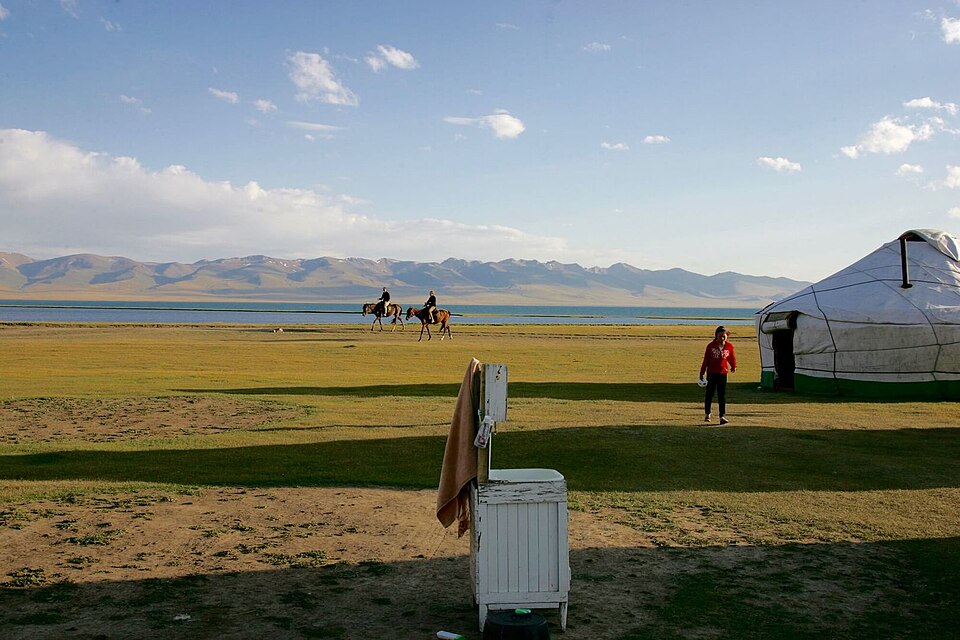
A yurt stay can mean a family camp on a summer pasture, a lakeside visitor camp or accommodation beside a village. Those settings offer different access, comfort and opportunities to meet people. Choose the experience you want, then ask practical questions about that particular place. The word “yurt” tells you about the dwelling; it does not promise a private bathroom, a shared meal or a horse ride.
Choose the setting before the photograph
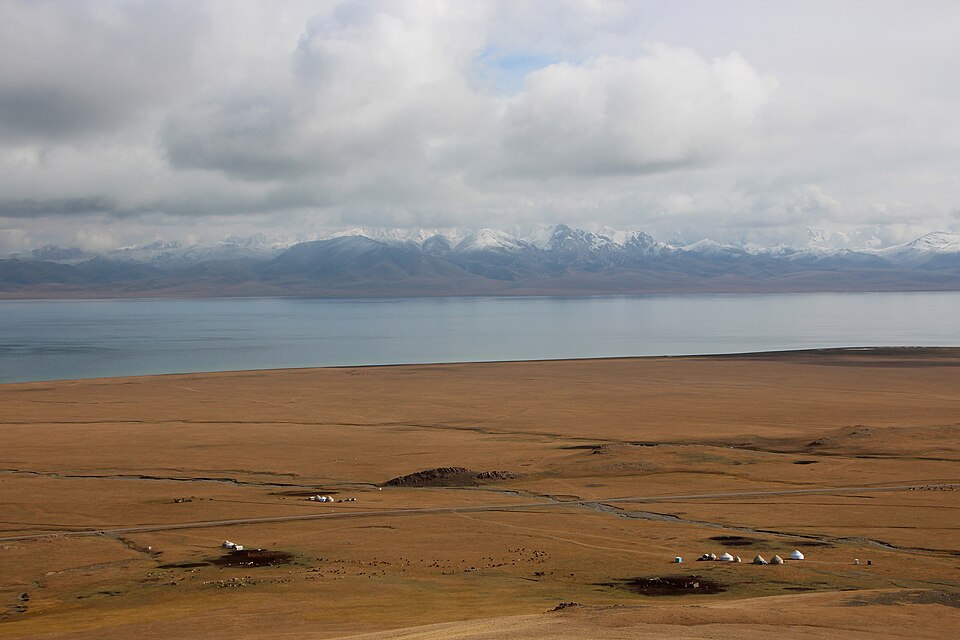
A Song-Kul stay usually belongs to a wider mountain journey, while a south-shore Issyk-Kul camp can fit into a road circuit. A village-based stay may offer a different balance of transport and facilities. Ask who operates the camp, whether the family is present, and what activities are actually available during your visit. Do not assume that a display yurt at a restaurant offers the same overnight experience as a seasonal pasture camp.
Confirm the sleeping and bathroom arrangements
Ask whether your booking is for an entire yurt or individual spaces, how many people will share it, and whether you will sleep on beds or floor mattresses. Confirm blankets, linen and any need for your own sleeping bag. Ask where the toilet and washing facilities are, whether they are shared, and what “shower available” means at that camp. Published CBT camp descriptions show that floor bedding and outdoor facilities are real possibilities, so clarify your own requirements before paying.
Book the transfer as carefully as the bed
Request the exact camp name and a meeting point that both sides recognise. Agree the approach road, suitable vehicle, arrival window and return arrangement. If walking or riding in, confirm who carries the main bag and what happens to luggage left in town. Save contact details and the location offline. A camp on the same lake may be far from another camp’s pickup point; the lake name alone is not enough for a driver.
Ask about meals before you arrive
Confirm which meals are included, what time you should arrive for dinner, and whether drinking water is provided or available to obtain. Explain dietary requirements when booking and ask the host to confirm what can be prepared. A kitchen may need advance supplies, so arriving with an unannounced request is different from arranging it beforehand. Bring the snacks you personally need between meals, and ask before using a family’s cooking area or food supplies.
Pack for an outdoor evening and a shared interior
Bring warm layers, weather protection, a head torch, comfortable shoes and a small bag for overnight essentials. Keep electronics charged before leaving a town; ask whether charging is available and when. A towel, personal toiletries and a way to keep belongings dry can make a simple camp easier to use. If you need particular bedding or equipment, arrange it explicitly. Follow the host’s instructions for heating and lighting rather than adjusting a stove or electrical setup yourself.
Follow the household, not a memorised ritual list
Greet your hosts, ask where to leave shoes and bags, and follow their invitation about where to sit. Request permission before photographing people, entering a family sleeping area or handling craft objects. Keep noise low when others are resting, and discuss any planned demonstration in advance. Yurt-making combines a wooden frame, felt covering and craft knowledge passed between generations. A visit becomes more meaningful when you ask who made the objects and listen to the answer.
Leave enough time for the people and the place
Two nights can give you a full day without immediate packing and another long drive. Any horse outing needs a separate discussion about your experience, the guide and the route; it is not an automatic part of accommodation. For the making process itself, consider a booked Kyzyl-Tuu craft visit. Pay the agreed amount, ask before giving gifts, and take your own rubbish away where collection is unavailable. A thoughtful booking protects both your expectations and the host’s working day.
Places and routes for your trip
Photo gallery
10 photos · select to enlarge