TRAVEL ARTICLES
Driving in Kyrgyzstan: Routes and Car Rental
Build a road trip around the right vehicle, realistic overnight stops and a few worthwhile detours. Start with Issyk-Kul, then decide which mountain roads belong in your journey.
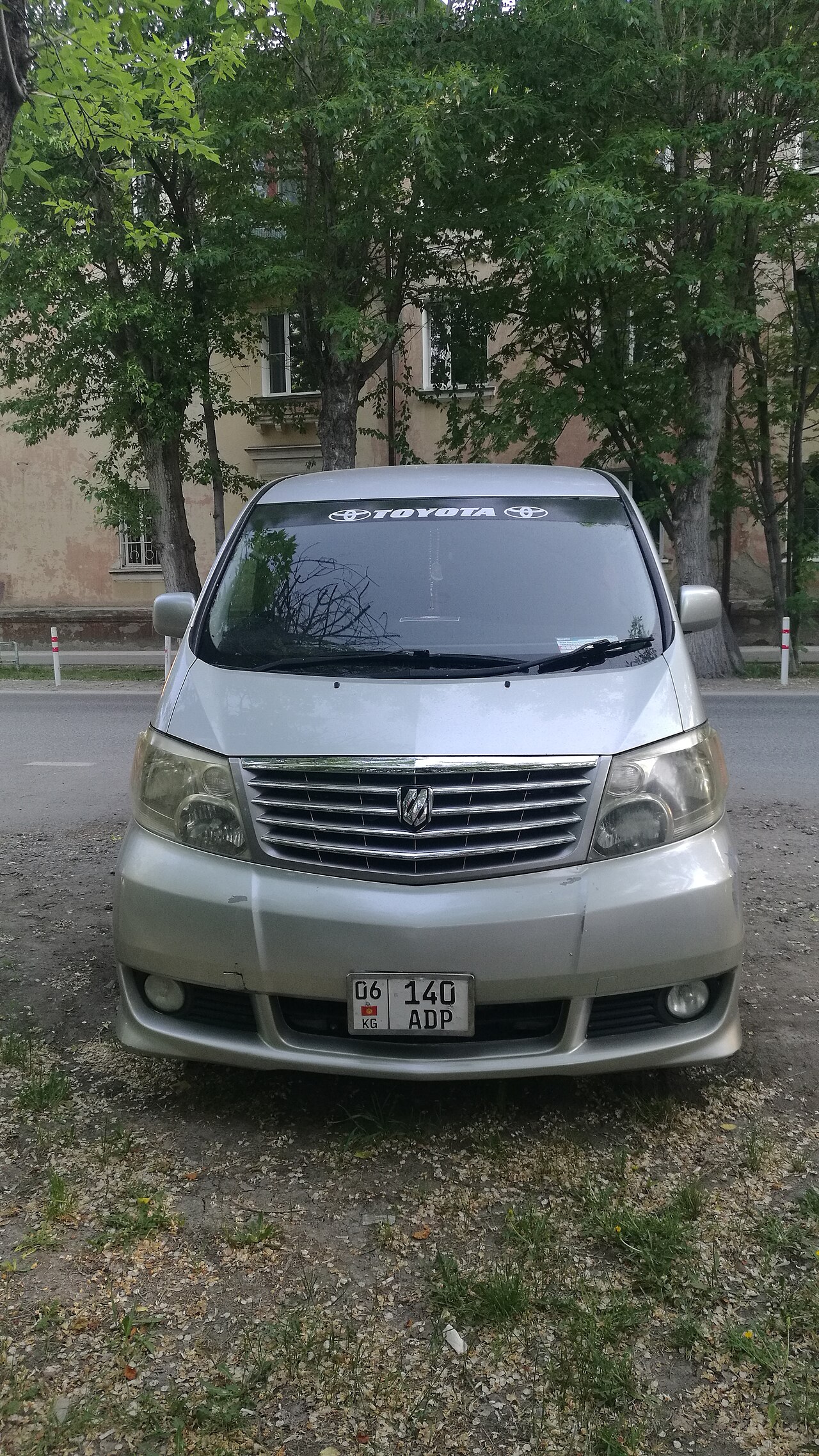
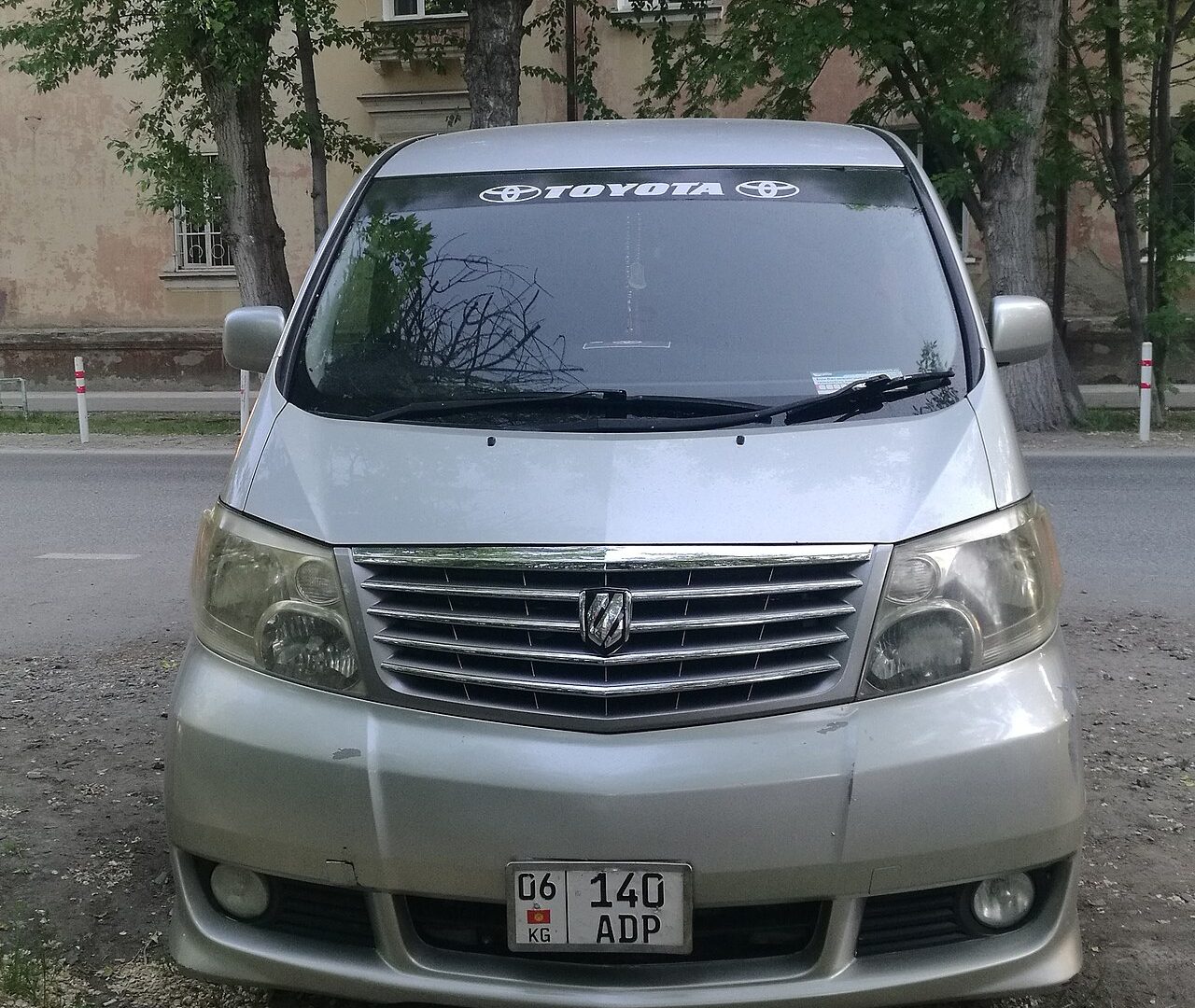 Photo: RG72 · CC BY-SA 4.0 · Source · License
Choose a journey before choosing a car
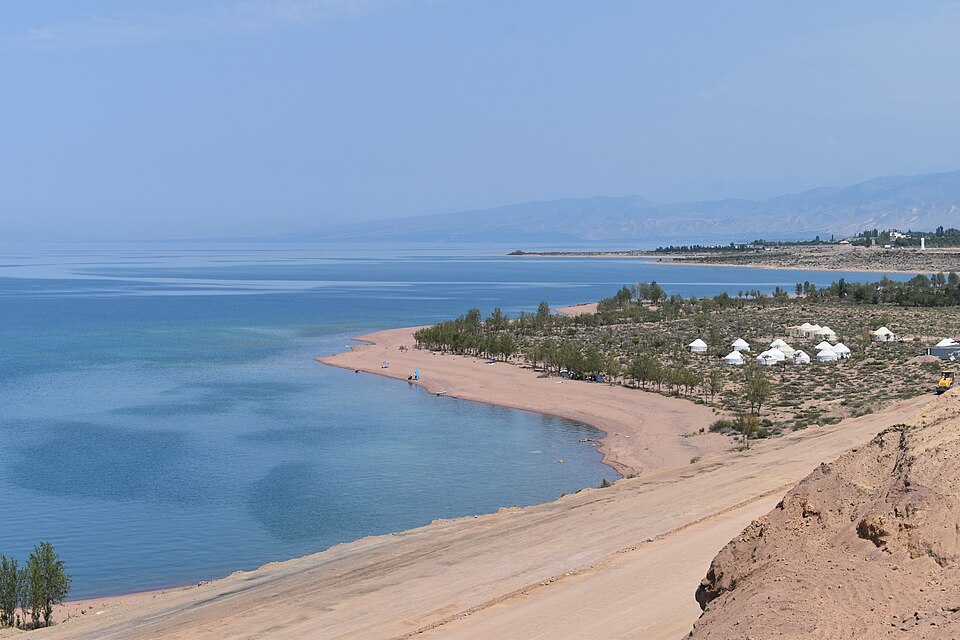
A first road trip does not need to cross the whole country. The Issyk-Kul circuit links contrasting shores with Cholpon-Ata and Karakol as possible stops. A shorter stay can use Karakol as a base for a Jeti-Oguz day excursion. These are itinerary ideas, not promises that every valley road suits the same vehicle. Write down your intended detours before asking for a rental quote.
Check which roads your rental agreement allows
Ask the provider which roads and surfaces are permitted, who may drive, and how breakdowns or tyre damage are handled. Confirm documents, insurance terms, the deposit, return location and any mileage restrictions directly. Photograph the vehicle’s existing condition together at handover. A vehicle described as an SUV does not automatically have the clearance, tyres or contractual permission needed for a rough mountain track.
Allow time for both shores of Issyk-Kul
The lake circuit is more enjoyable with time outside the car. Compare a stop at Cholpon-Ata’s petroglyphs, a walk through Karakol and the red formations of Skazka on the southern shore. Choose two or three meaningful visits rather than placing every attraction on one day’s schedule. Reserve daylight for the final unfamiliar approach to your accommodation.
Check access to mountain roads
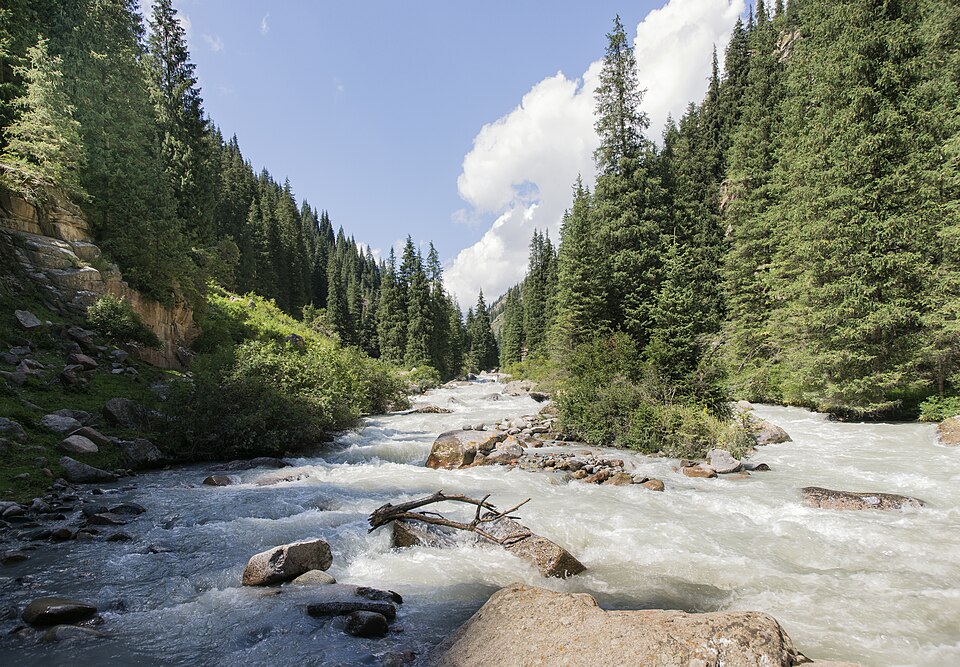
Song-Kul and Tash Rabat add a different mountain setting in Naryn Region. They also add route decisions, seasonal conditions and possible changes to accommodation. Do not extend a lakeshore driving estimate mechanically to a mountain pass. Ask about the specific road, not merely whether the destination is reachable, and agree what happens if you turn back.
Plan useful stops, not continuous driving
Make a simple daily sheet with your overnight address, a realistic fuel opportunity, one main visit and a fallback. Keep drinking water and a small food reserve in the car; a mark on a map does not confirm a shop is operating. Download the road map before leaving coverage. Park only in suitable public areas and leave access for residents, livestock and other vehicles.
Decide when a driver is the better option
If nobody wants responsibility for unfamiliar mountain roads, hire a local driver and keep the sightseeing flexible. Confirm waiting time, the exact endpoint, overnight arrangements and the return before departure. A driver transfer and a guided cultural visit are different services. Use the road-trip catalogue to choose the landscape, then settle the practical journey with the people providing it.
Photo gallery
10 photos · select to enlarge
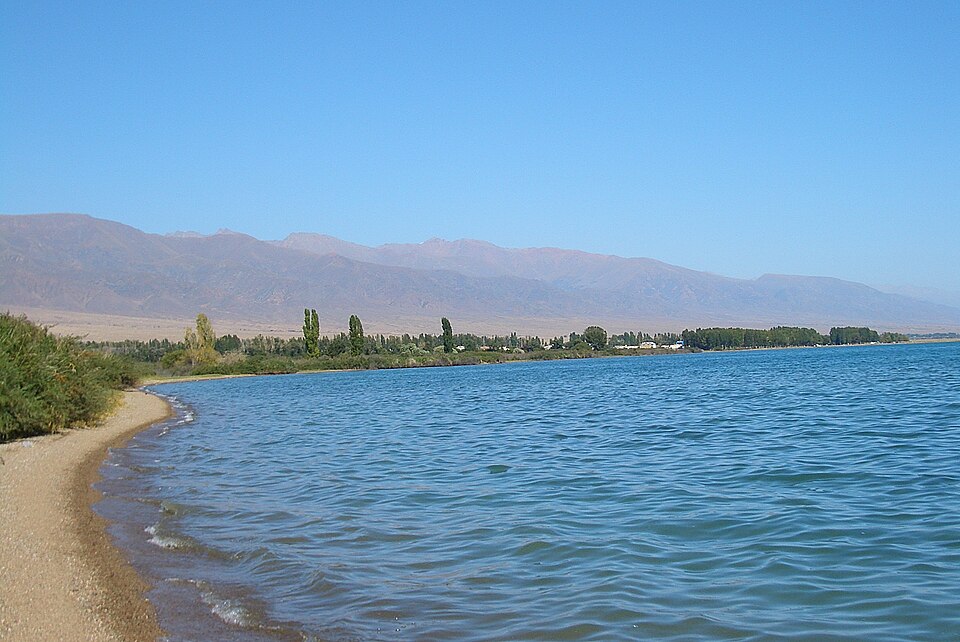
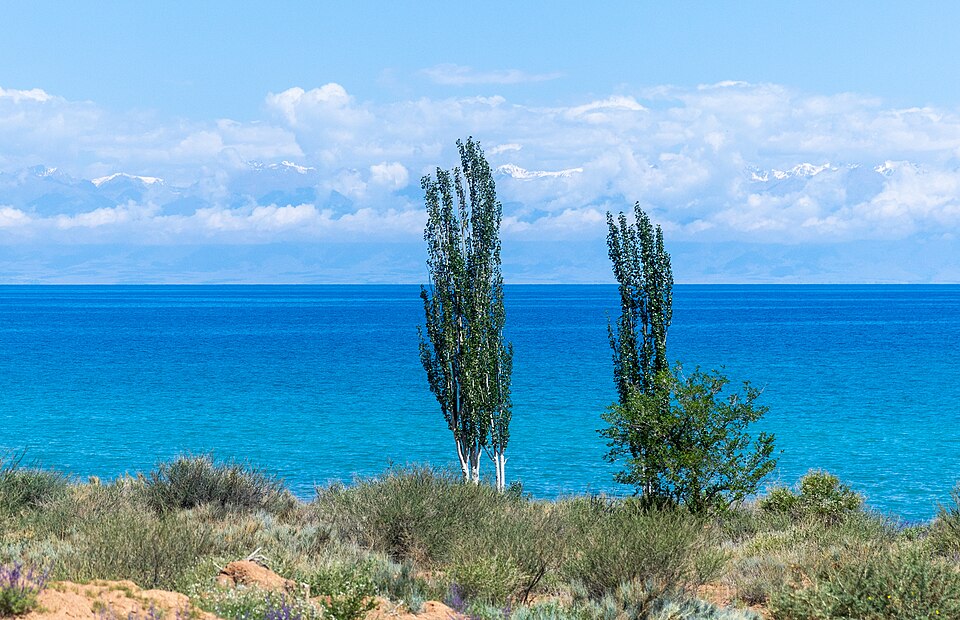
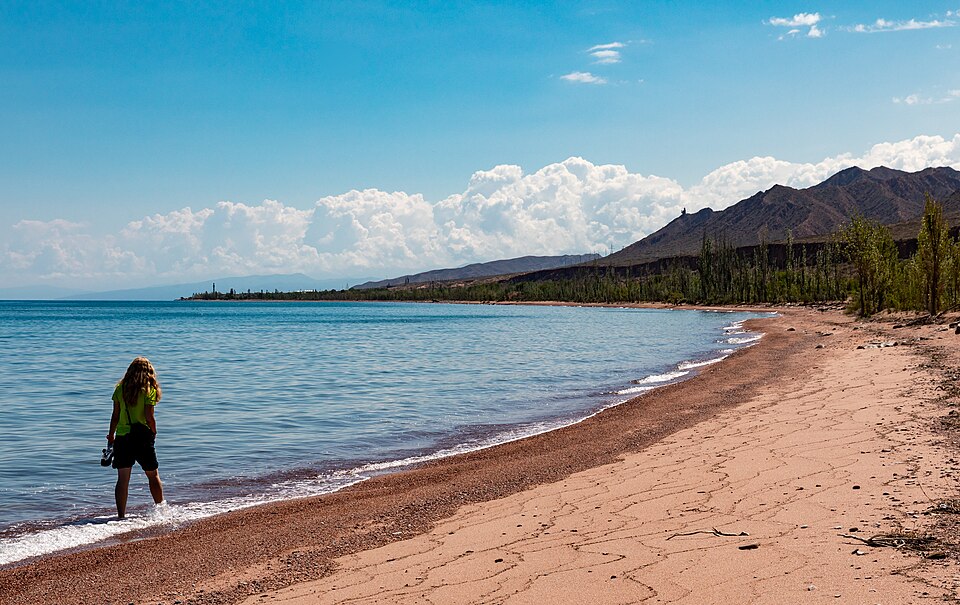
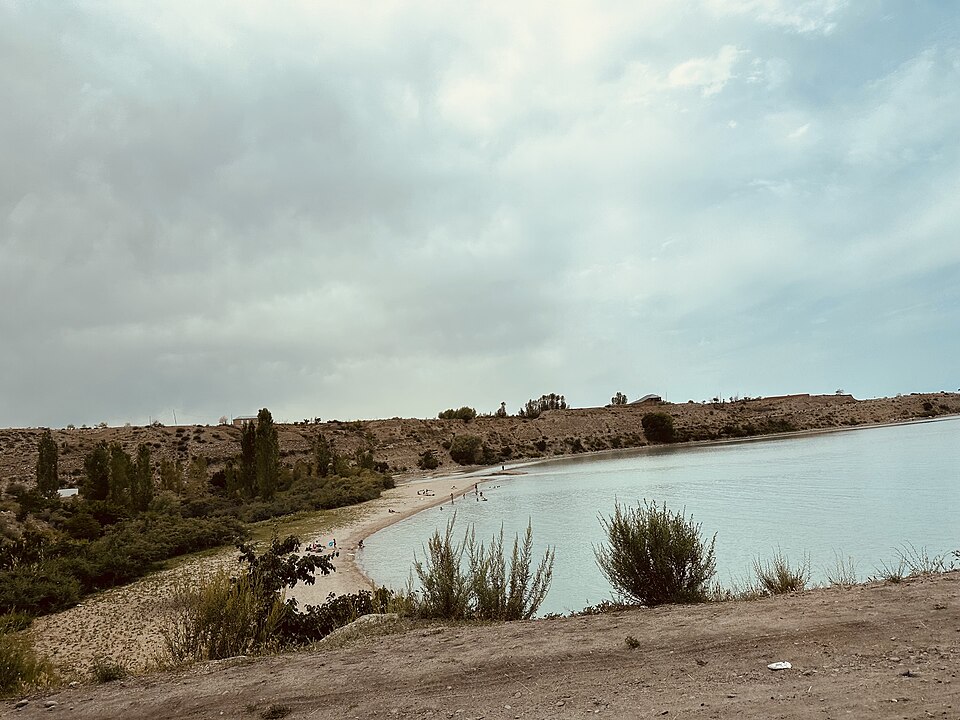
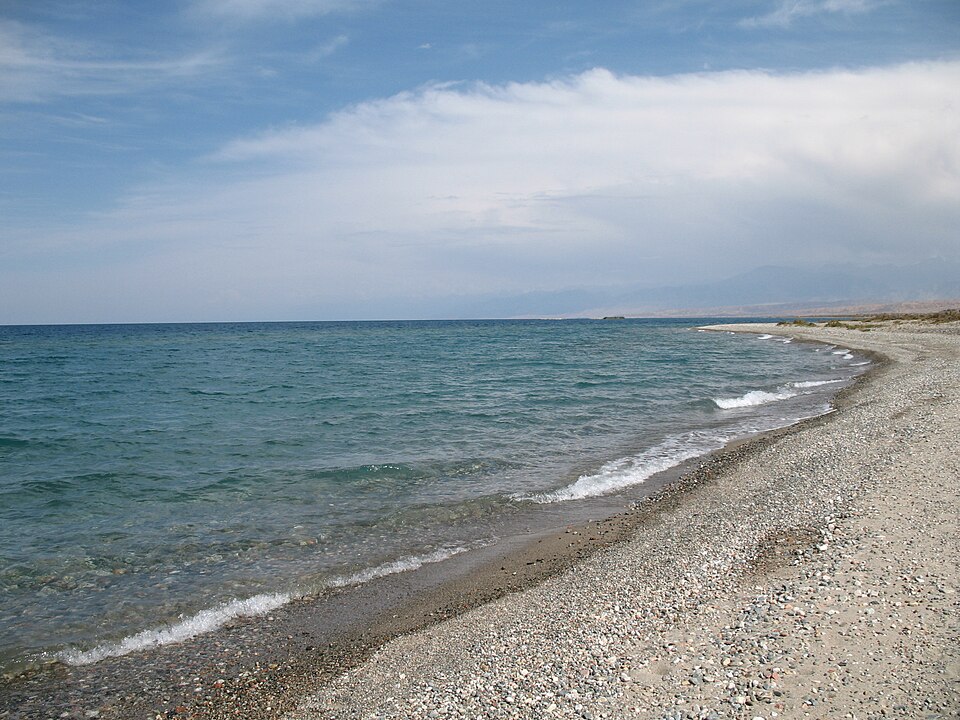
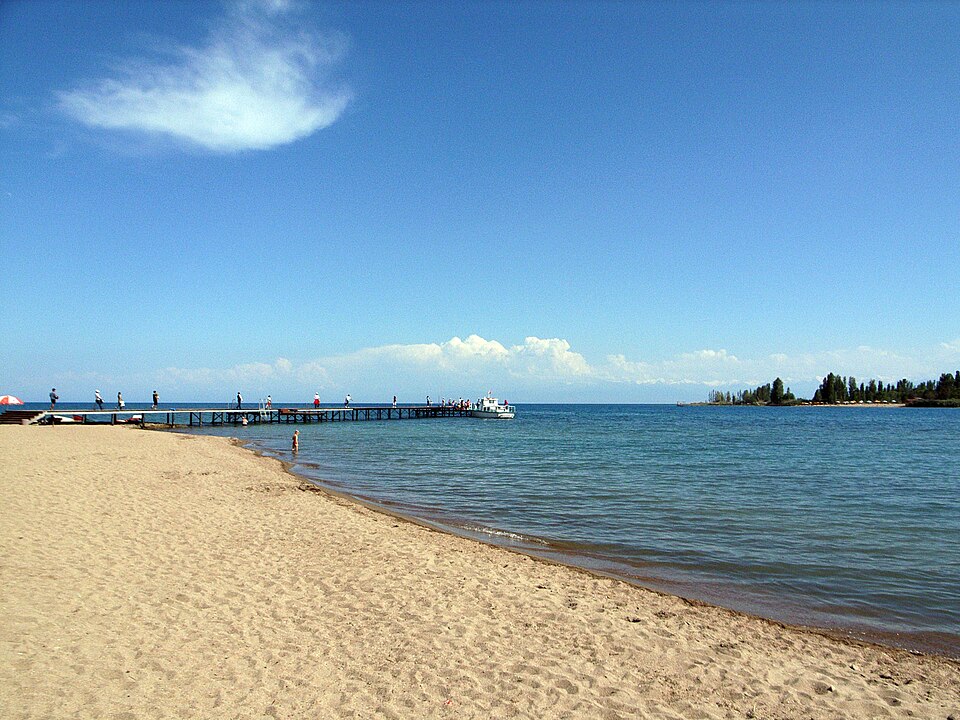
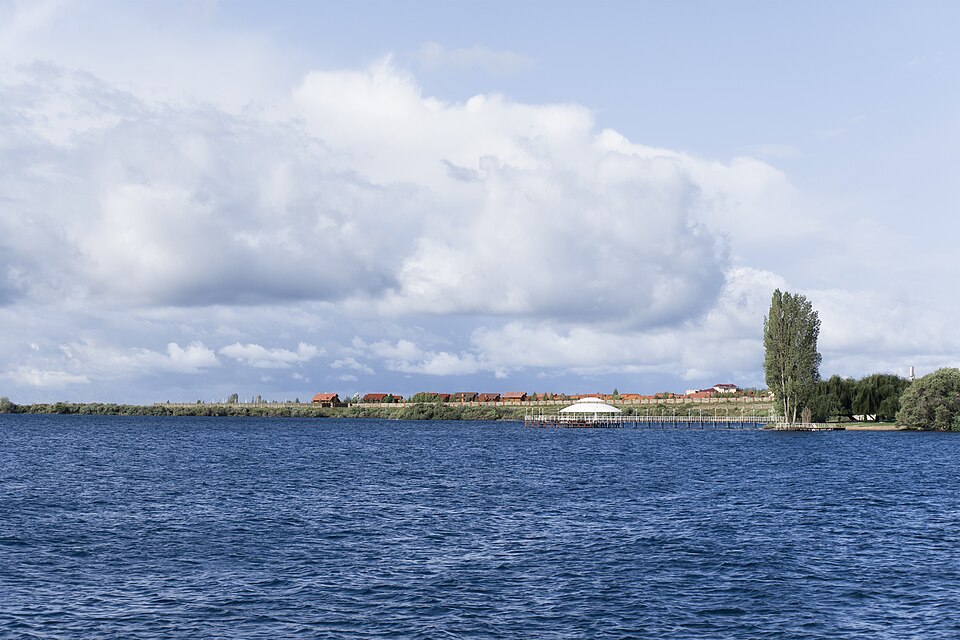
Destination photographs illustrate this article; they do not document every region or route discussed.