TRAVEL ARTICLES
Cultural Travel in Kyrgyzstan: Food, Crafts and City Walks
Connect Karakol's communities, Kyzyl-Tuu's yurt-making, Kyrgyz felt traditions and Osh's sacred landscape through visits that leave time for people and explanation.
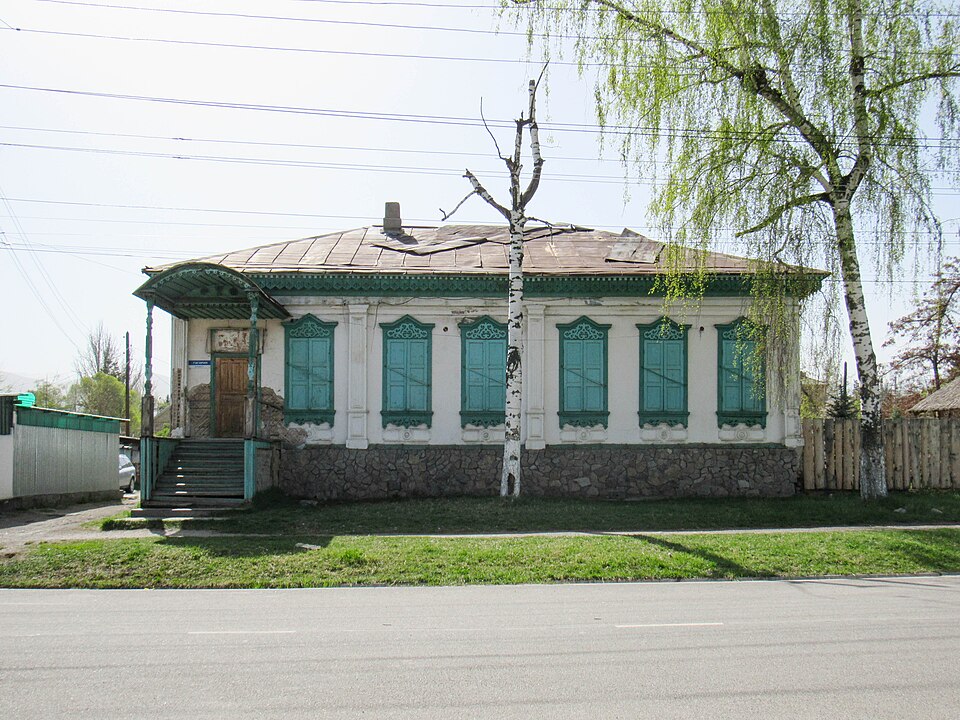
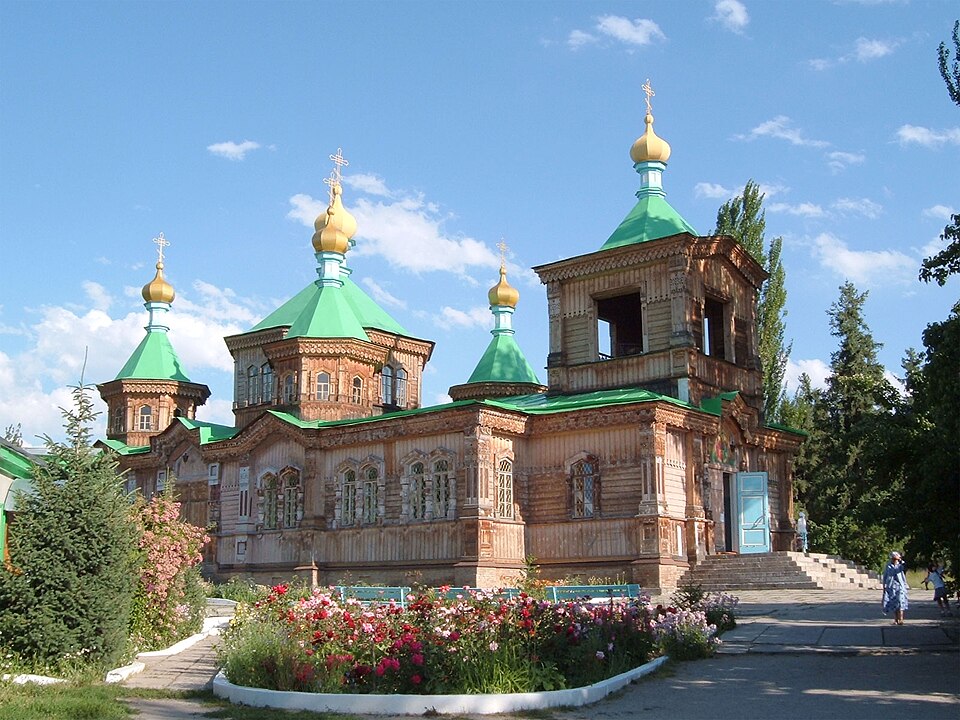 Photo: en:User:hux · Public domain · Source · License
Allow a day for the city
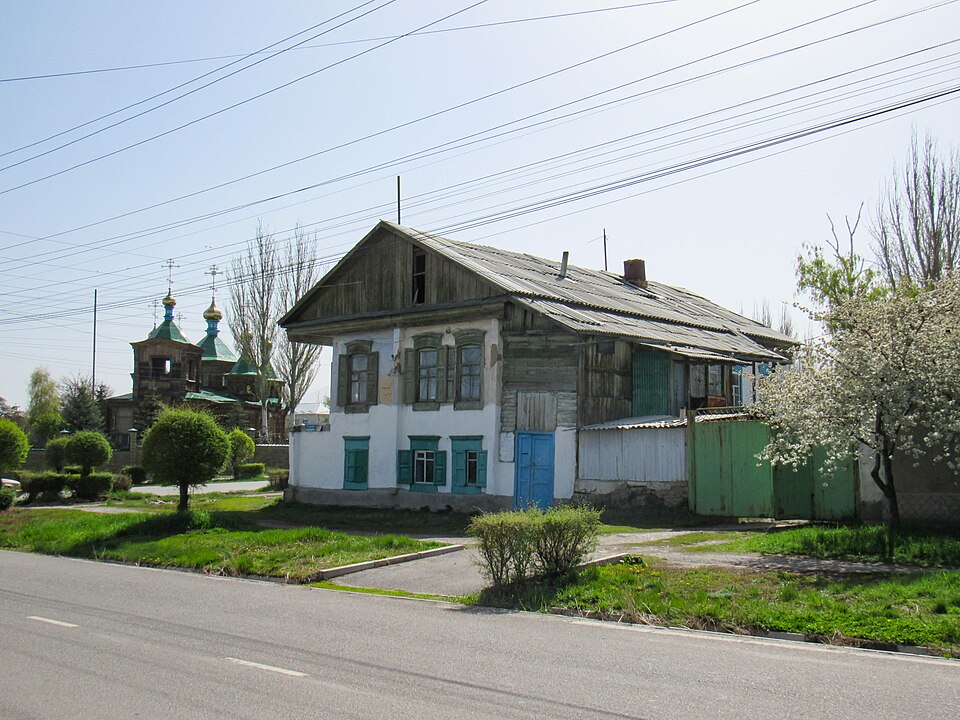
Karakol is more than a departure point for mountain treks. A heritage and food walk can connect the Dungan Mosque, the wooden Holy Trinity Cathedral and a meal that introduces local communities. Allow time between stops to notice the streets and ask questions. Different religious buildings have their own visitor arrangements, so a walking itinerary should adapt to worship rather than interrupt it.
Local food and communities
Karakol’s Dungan food traditions offer an accessible starting point. Ashlyan-fu is strongly associated with the city, and a booked family meal can add explanation of dishes and home life. Ask what is included and discuss allergies or dietary preferences before arriving. A family dinner is an arranged visit, not permission to enter a private home spontaneously. Let hosts decide when photographs and questions fit naturally into the meal.
Visit local craftspeople
A Kyzyl-Tuu yurt-making visit on the southern Issyk-Kul shore adds context to later nights in a yurt. Ask which part of the work can actually be shown and how the visit compensates the maker. A demonstration and a hands-on workshop are different experiences. Allow the craftsperson to control tools and materials, and ask before touching unfinished pieces or photographing detailed working processes.
Kyrgyz felt-making traditions
Ala-kiyiz and shyrdak are distinct Kyrgyz felt-carpet traditions recognised by UNESCO as intangible heritage in need of safeguarding. The value lies in skills and their transmission as well as the finished object. Ask who made a piece, how it was produced and what its care involves. Buying something chosen thoughtfully from its maker can be more meaningful than collecting several anonymous souvenirs without learning anything about their origins.
Visiting sacred and archaeological sites
Sulaiman-Too in Osh is a sacred cultural landscape, while Burana in Chuy Region introduces the remains of medieval Balasagun. Neither becomes clear from a photograph alone. Use a guide or museum explanation to separate documented history from local legend. At pilgrimage places, give worshippers space and ask about clothing, entry and photography. Archaeological fragments should remain where they are found.
Allow time for each visit
Combine one city walk, one maker visit and one historical site rather than promising yourself every cultural experience in a single day. Agree language, duration, group size and the actual activity beforehand. Ask whether an event is part of ordinary community life or a performance arranged for visitors; both can be interesting when described honestly. Explore the cultural travel ideas and leave time for conversations that do not fit neatly between scheduled photo stops.
Photo gallery
10 photos · select to enlarge
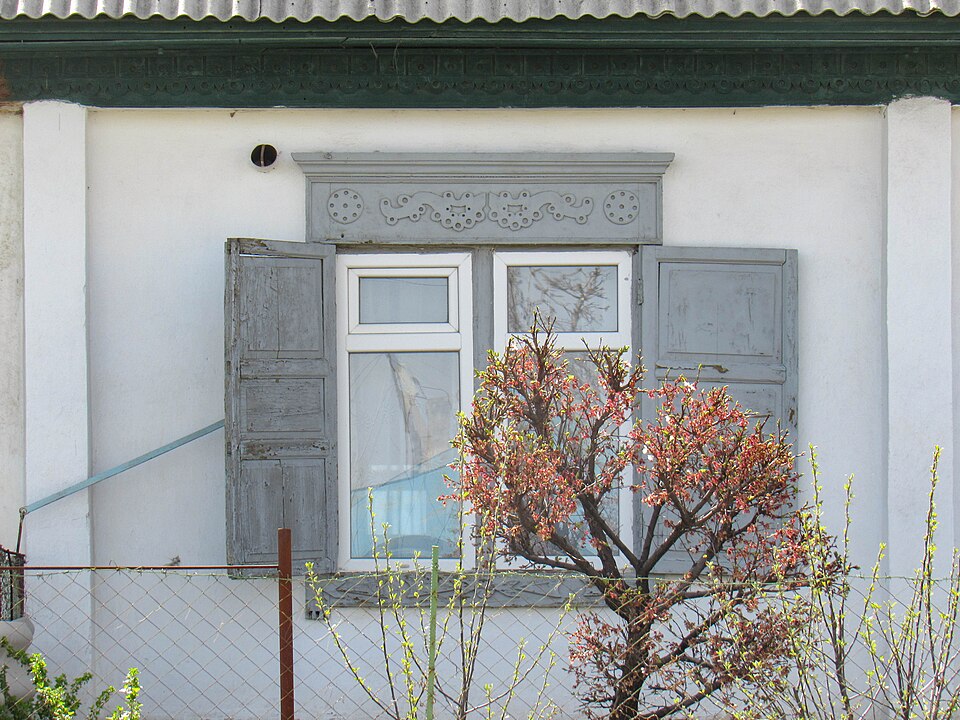
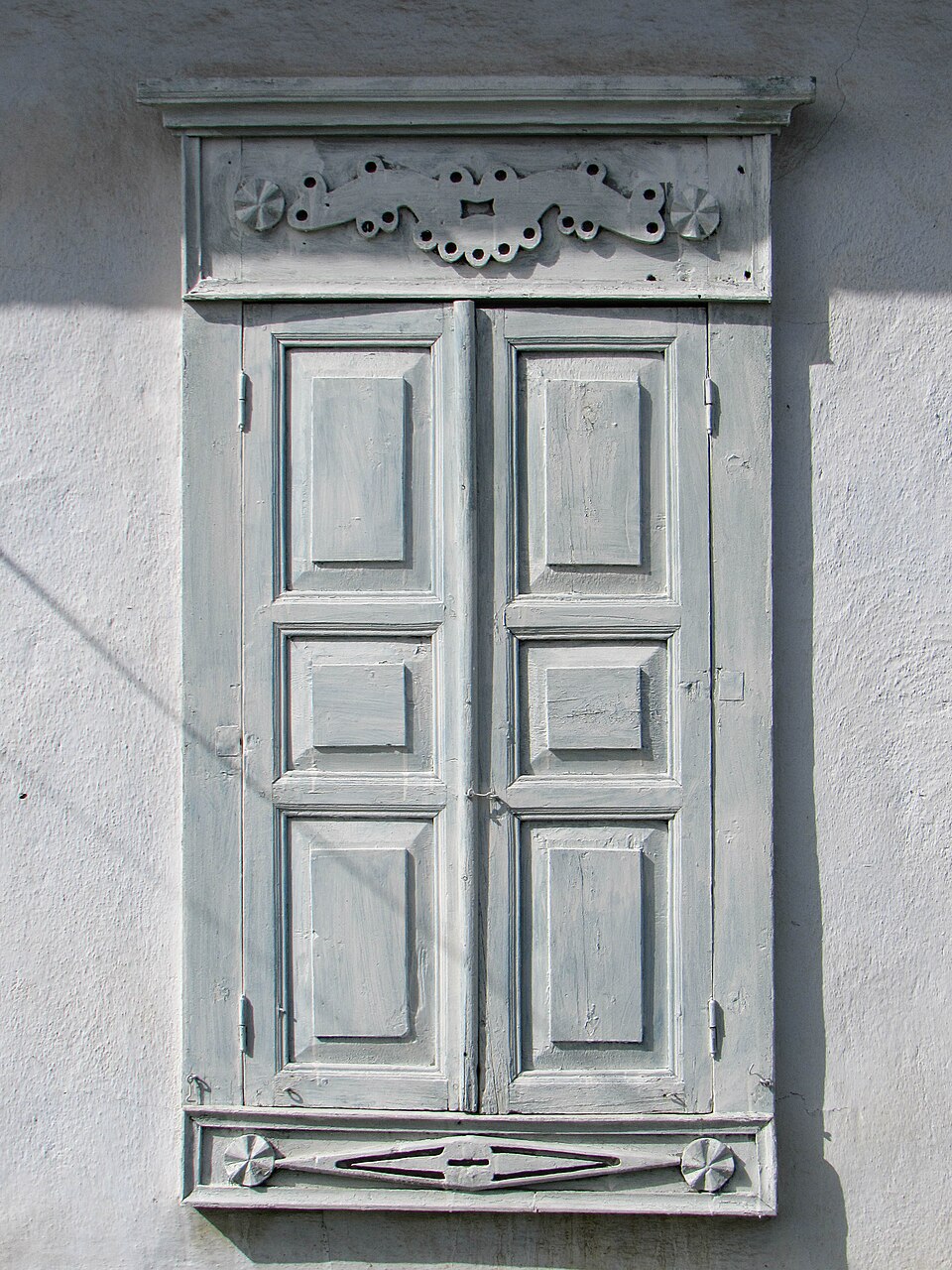
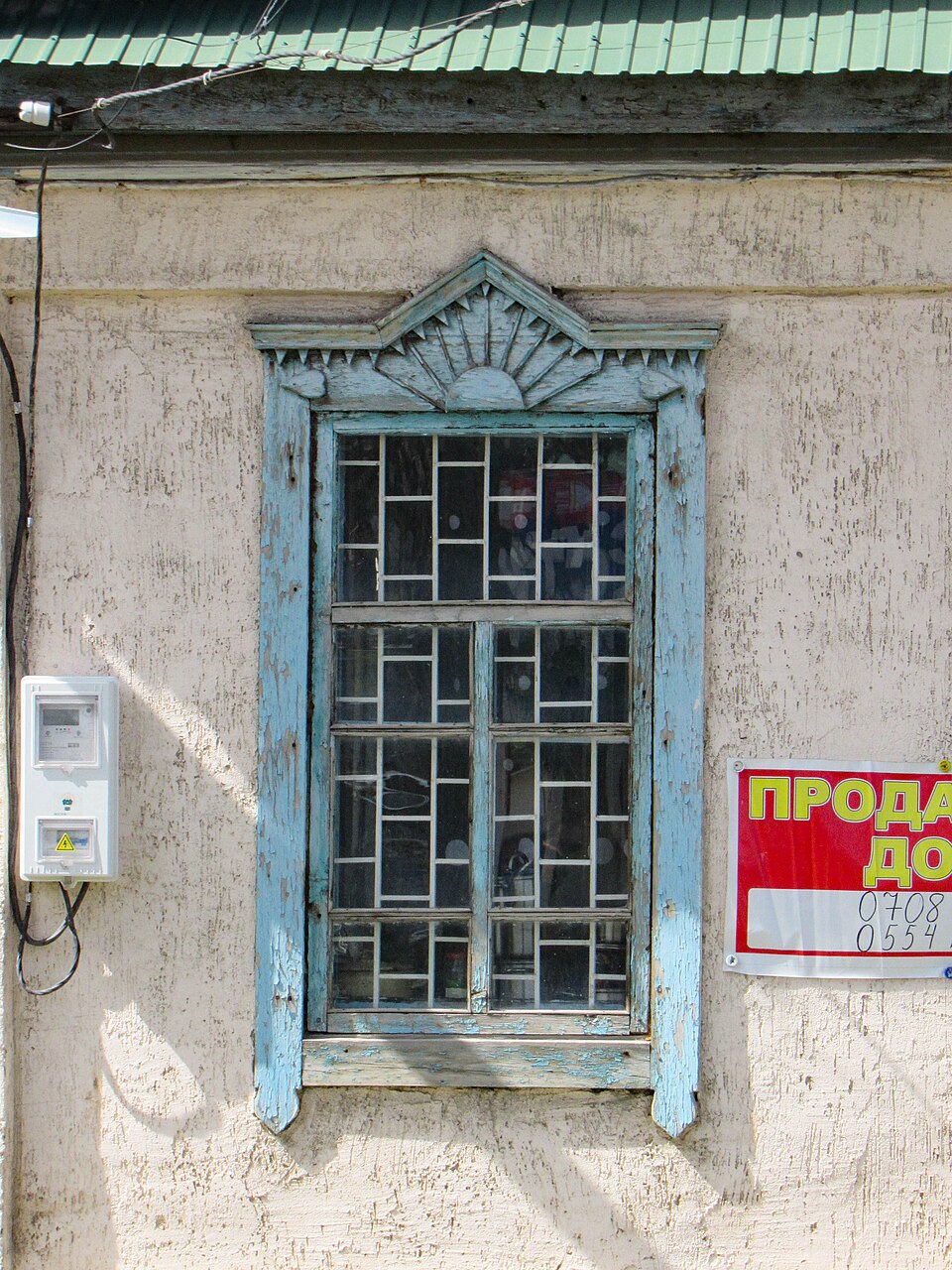
Destination photographs illustrate this article; they do not document every region or route discussed.