City or village
Karakol
Karakol deserves time as a city as well as a base for the eastern Issyk-Kul mountains. Its streets bring together the histories of different communities, with wooden architecture, places of worship and food traditions that make a useful counterpoint to days on mountain trails.
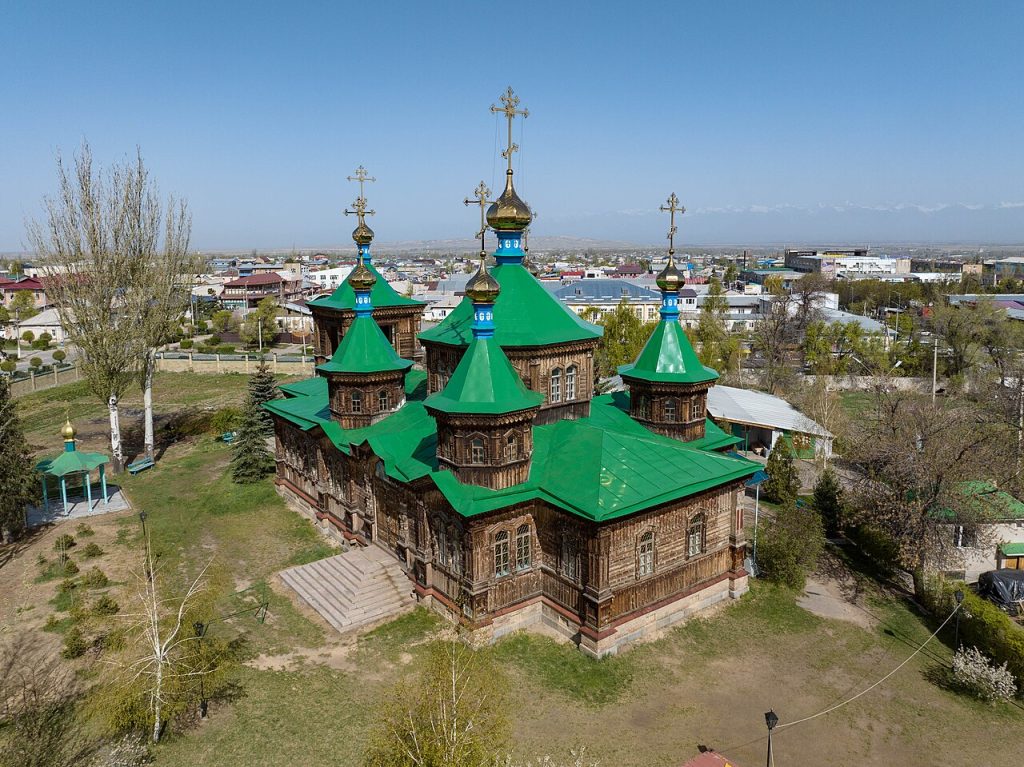 Photo: Nikolai Bulykin · CC BY-SA 4.0 · Source · License
Karakol deserves time as a city as well as a base for the eastern Issyk-Kul mountains. Its streets bring together the histories of different communities, with wooden architecture, places of worship and food traditions that make a useful counterpoint to days on mountain trails. A city walk is a worthwhile part of the journey in its own right.
The Dungan Mosque and Holy Trinity Cathedral are distinct landmarks that can anchor a cultural itinerary. Both are religious places, so ask about visitor arrangements and photography rather than assuming unrestricted access. The Przhevalsky Memorial Museum is a separate outing towards the lakeside near Pristan-Przhevalsk; it should not be described as another building on a short central walking loop.
For mountain travel, use the city to agree transport, guides and the actual route scope. Altyn-Arashan, Ala-Kul and Jeti-Oguz are excursions beyond the city, with different approaches and levels of commitment. A town-centre map pin does not locate a trailhead or establish that a pass is accessible. Leave time between returning from the mountains and your next long transfer, particularly when weather may change the return plan.
Plan your visit
Getting there
Use Karakol as a city base, then arrange a separate transfer to the actual start of each valley excursion.
When to visit
City heritage can be explored year-round; trekking and winter mountain activities need their own seasonal planning.
Good to know
Confirm local access, opening arrangements and any entry rules before travel. Respect protected sites and local communities; leave the place as you found it.
Sights in and around Karakol
Open each place for its description and visit details. Out-of-town stops require a separate journey.
Issyk-Kul Region
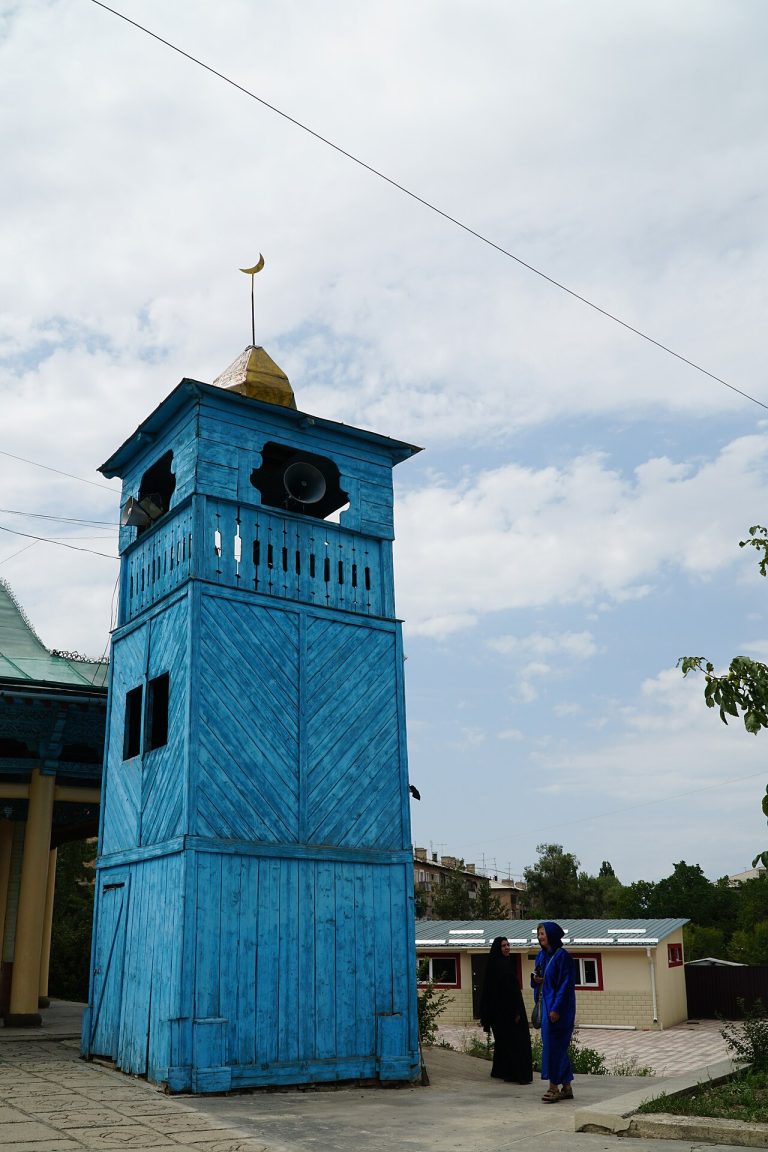
Karakol Dungan Mosque
Karakol’s Dungan Mosque is a distinctive religious building whose timber forms and decorative language reflect the city’s Dungan heritage.
Issyk-Kul Region
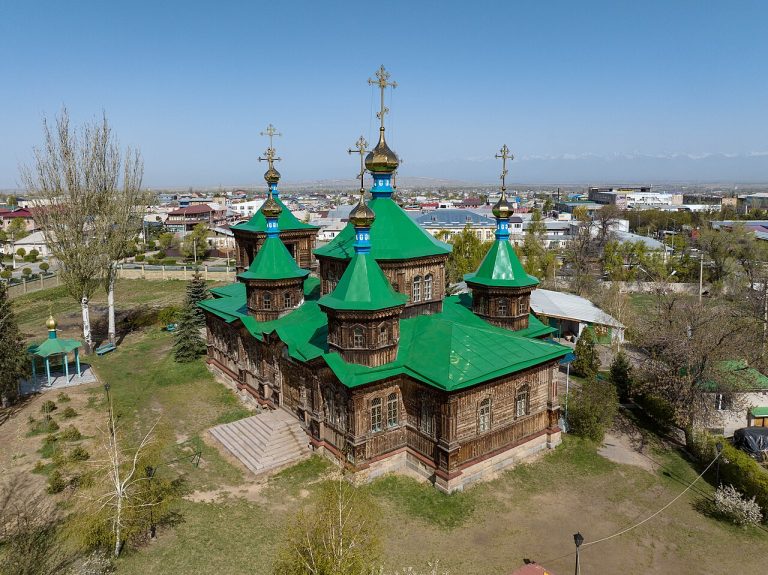
Holy Trinity Cathedral, Karakol
The wooden Holy Trinity Cathedral is one of Karakol’s defining historic buildings. Its green rooflines, carved details and church grounds add another layer to a town shaped by migration and several religious communities.
Issyk-Kul Region
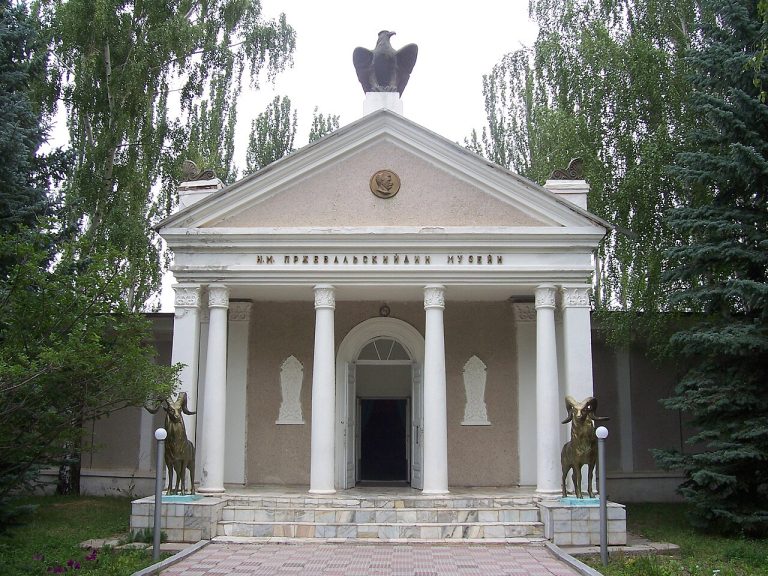
Przhevalsky Memorial Museum
The Przhevalsky Memorial Museum near Karakol introduces the explorer associated with nineteenth-century expeditions across Central and Inner Asia.
Issyk-Kul Region
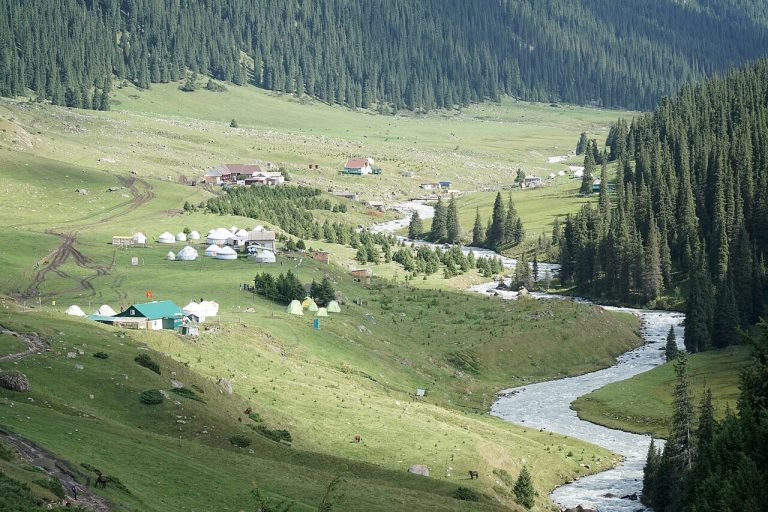
Altyn-Arashan Valley
Altyn-Arashan combines a mountain river, spruce-covered slopes and the hot springs for which the valley is widely known.
Issyk-Kul Region
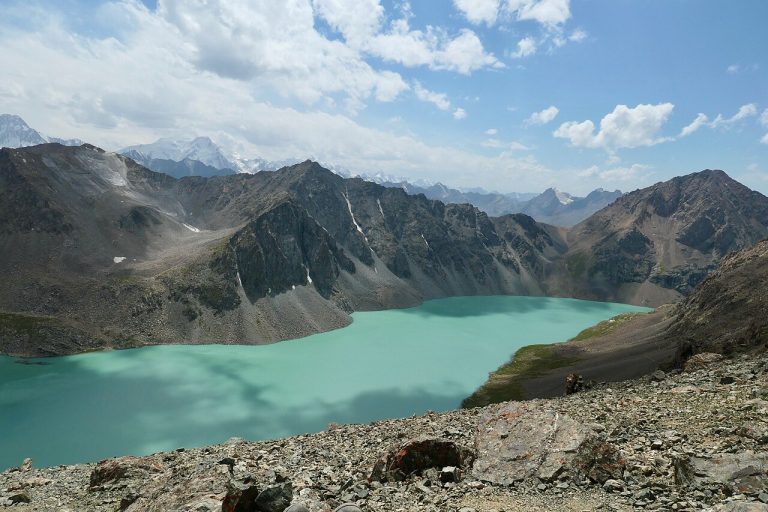
Ala-Kul Lake
Ala-Kul is a high mountain lake in the ranges south of Karakol, valued for its changing blue-green water and steep alpine setting.
Issyk-Kul Region
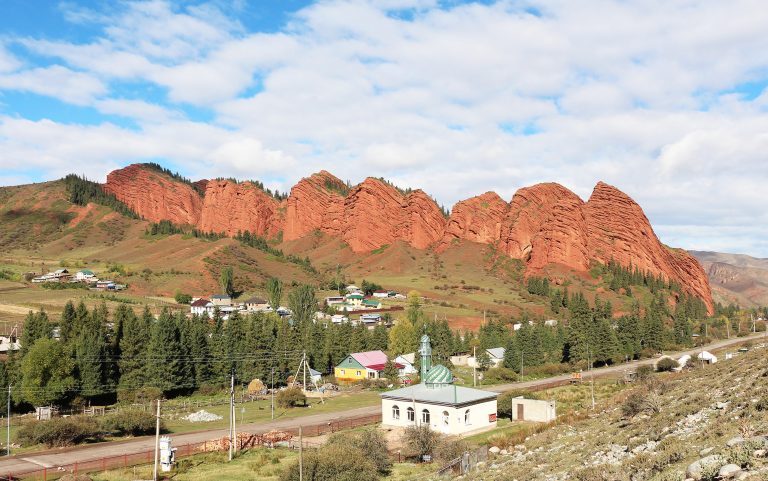
Jeti-Oguz: Seven Bulls Rocks
The red rock wall known as the Seven Bulls is the signature sight of Jeti-Oguz. It stands near the entrance to a mountain valley southwest of Karakol, where the exposed red formations give way to greener slopes and higher pastures.
Photo gallery
6 photos · select to enlarge
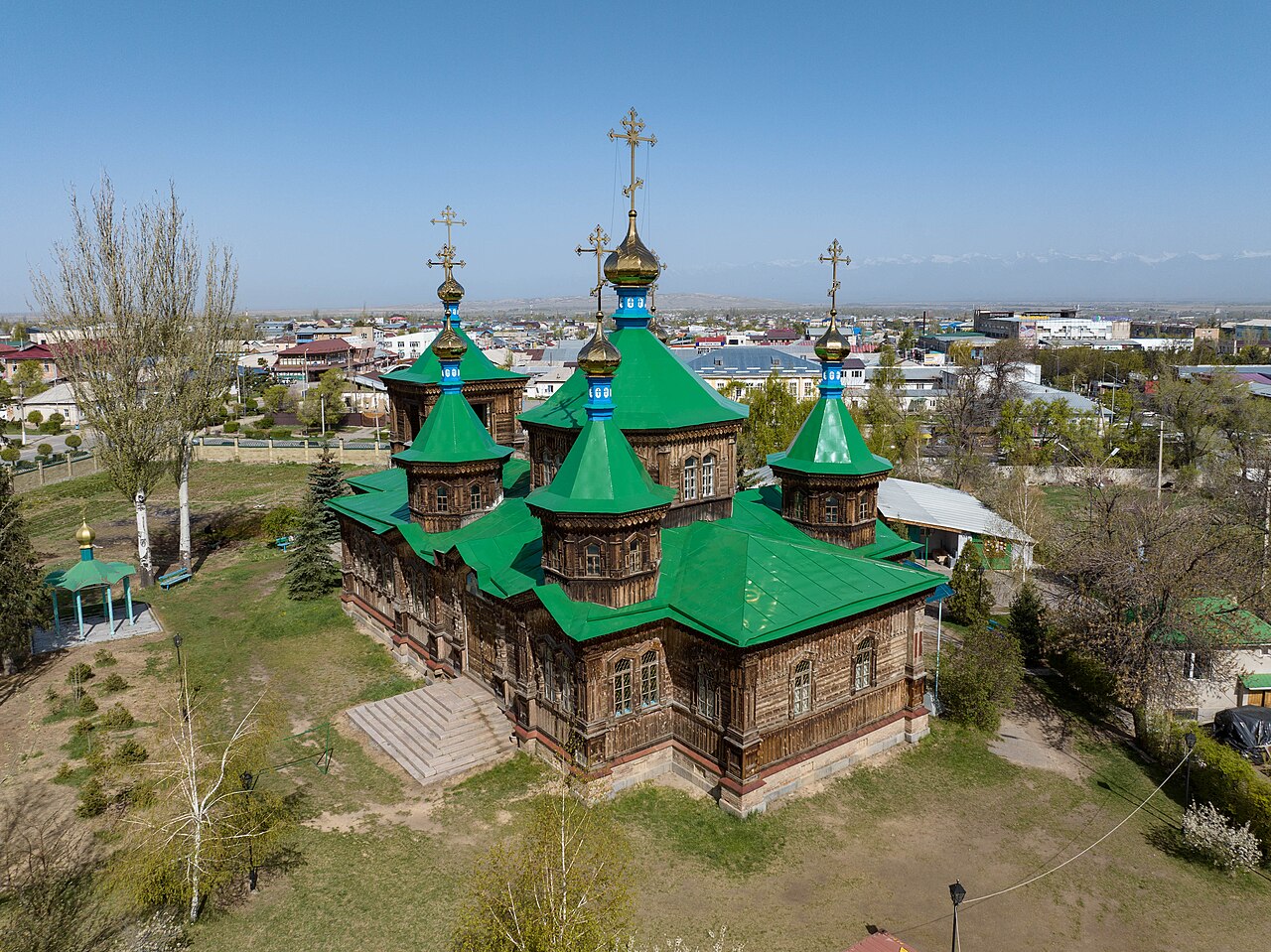
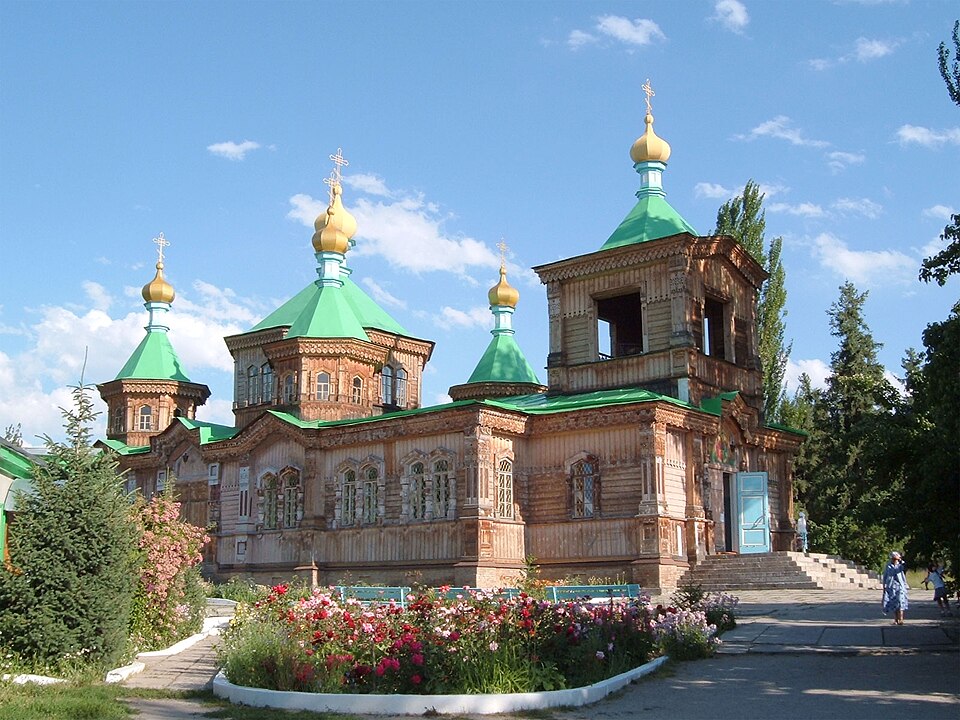
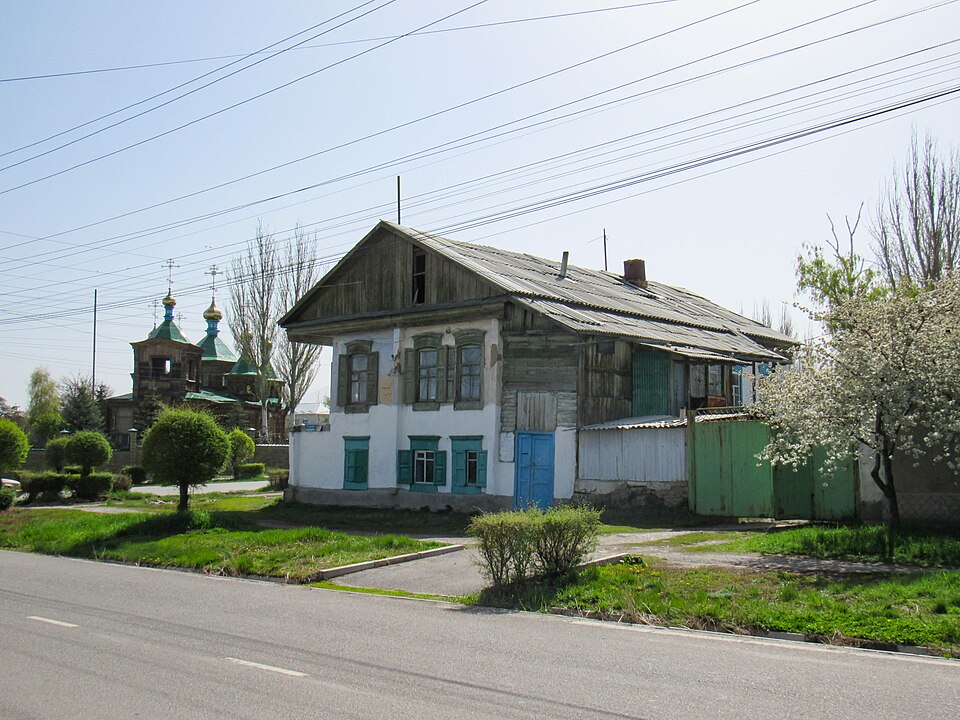
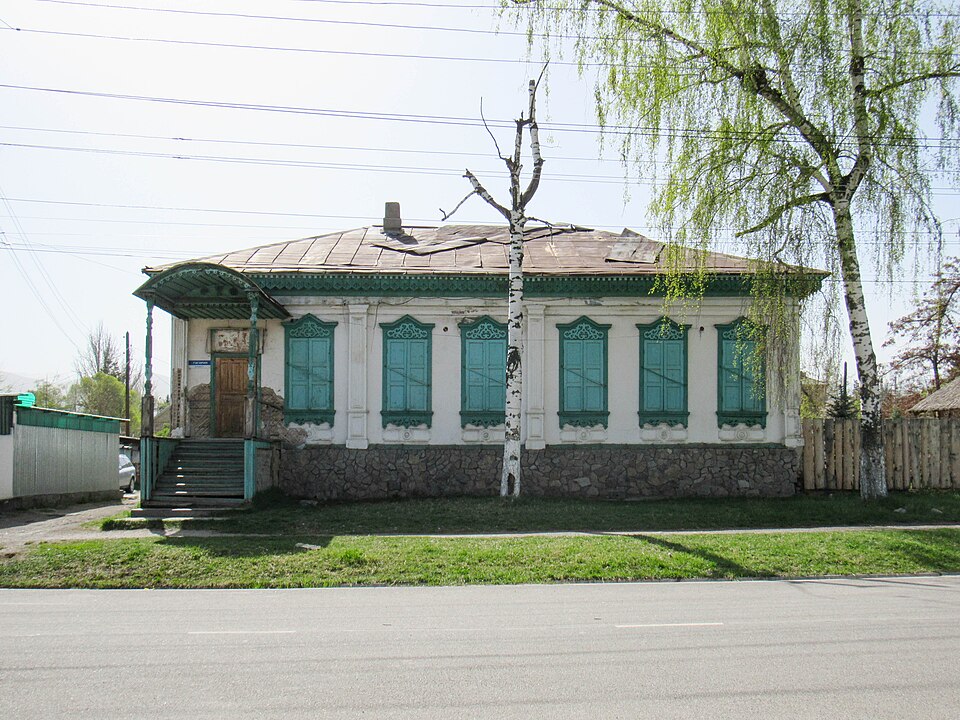
Photo credits & licences
Photo: Nikolai Bulykin · CC BY-SA 4.0 · Source · LicensePhoto: en:User:hux · Public domain · Source · LicensePhoto: Nikolai Bulykin · CC BY-SA 4.0 · Source · LicensePhoto: Nikolai Bulykin · CC BY-SA 4.0 · Source · LicensePhoto: Nikolai Bulykin · CC BY-SA 4.0 · Source · LicensePhoto: Nikolai Bulykin · CC BY-SA 4.0 · Source · LicenseLocation on the map
Location: Karakol
42.4917441,78.396857