TRAVEL ARTICLES
Motorcycling in Kyrgyzstan: Routes and Preparation
Choose a motorcycle you can handle with luggage, build a staged journey through the valleys and plan fuel, repairs and mountain alternatives before riding out.
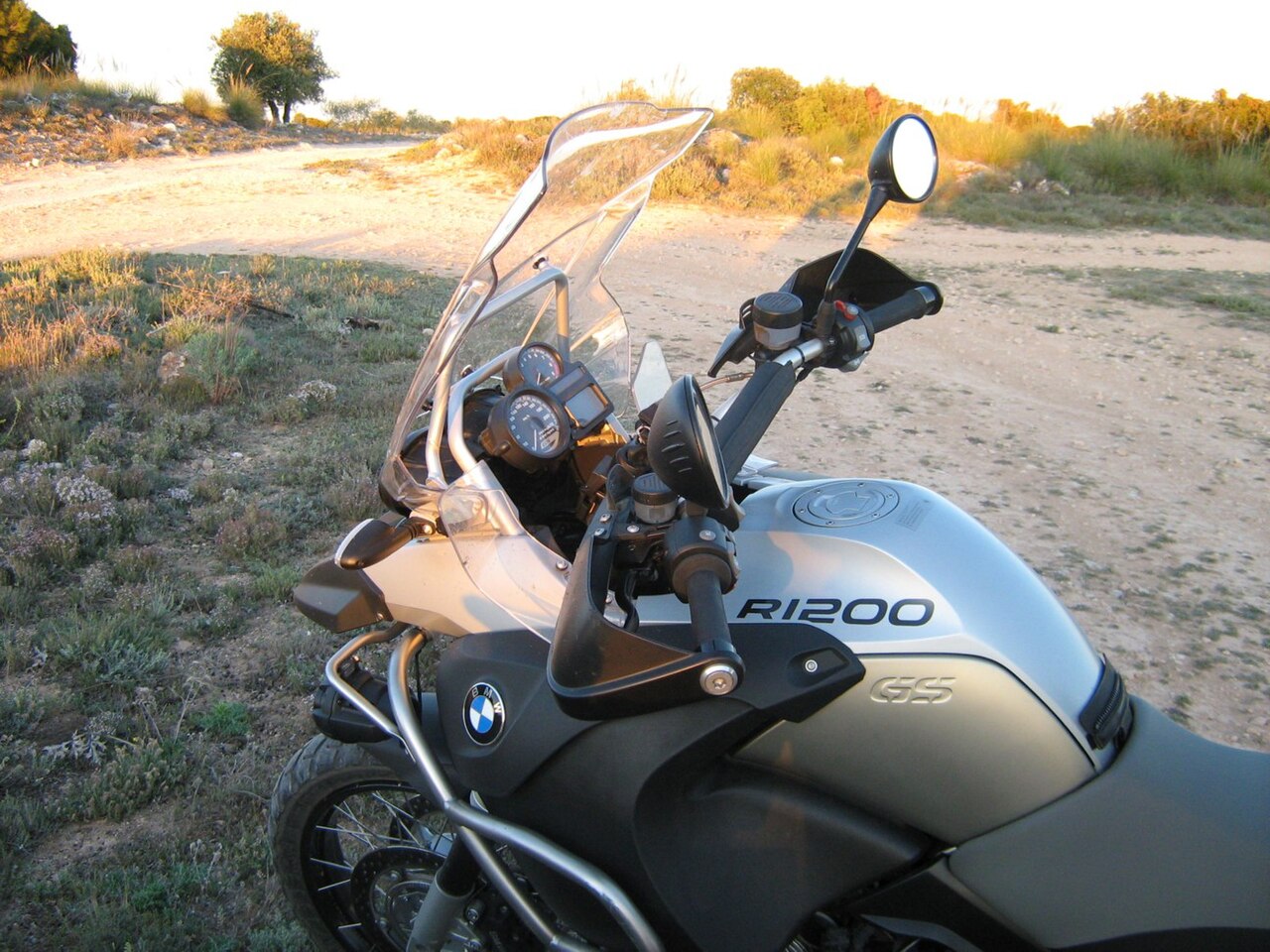 Photo: "S de Santi" · CC BY 2.0 · Source · License
Pick the surfaces you want to ride
Kyrgyzstan offers very different motorcycle journeys. An Issyk-Kul-based trip can emphasise road travel and selected valley detours, while a Kokomeren–Song-Kul loop brings gravel, dirt and high pasture into the plan. Decide how much loose surface you genuinely enjoy with a loaded motorcycle. An attractive line on a map is not a reason to attempt terrain beyond your present riding ability.
Test the motorcycle with your luggage
Choose manageable weight and fit before engine size. During handover, practise low-speed turns, stopping and manoeuvring with the luggage attached. Check tyre condition, controls, lights, luggage security and how you will deal with a puncture. Ask the rental team about permitted roads, required documents and recovery arrangements. A heavier machine with a passenger changes the demands considerably; describe your actual experience honestly when discussing options.
Pack for wind as well as sunshine
Bring a properly fitted helmet and motorcycle protection, gloves, suitable boots and layers that work under riding clothing. Waterproof packing protects spare clothes when weather changes. Divide essential items so that a short walk away from the motorcycle does not leave you without water, navigation or warm clothing. Test charging cables and mounting systems before the first long stage rather than discovering loose connections on a rough descent.
Plan daily stages in the mountains
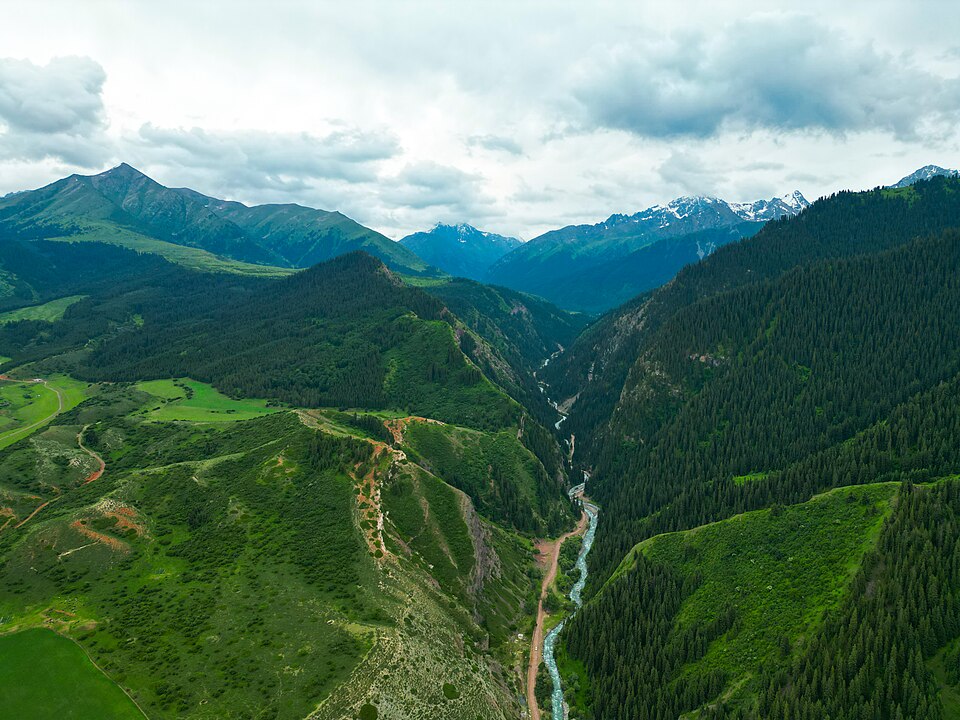
The central mountains connect enclosed river valleys with the open surroundings of Song-Kul and the Naryn area. Their appeal comes from that contrast, but high roads need their own seasonal check. Start with a shorter riding day and give the group time to adjust. If someone feels unwell or conditions deteriorate, shorten the stage; reaching the reserved camp is not more important than making a sound decision.
Plan fuel stops and roadside assistance
Mark confirmed refuelling opportunities and ask which stretches lack dependable services. Base your reserve on the motorcycle’s real consumption with load and rough surfaces, not an optimistic showroom figure. Agree who carries tools, compatible spares and contact details, and what support is actually included. A guided group with a mechanic and support vehicle is a different proposition from independent rental. Do not assume one price buys the other.
Respect villages and livestock on the road
Reduce speed around settlements, herds and blind bends, and avoid raising dust beside homes. Stop before checking a phone or photographing a view. Stay on established routes instead of cutting across pasture to improve a picture. Compare the motorcycle itineraries, identify a lower or paved alternative for each remote stage, and confirm the final sequence with people who know current local conditions.
Photo gallery
10 photos · select to enlarge
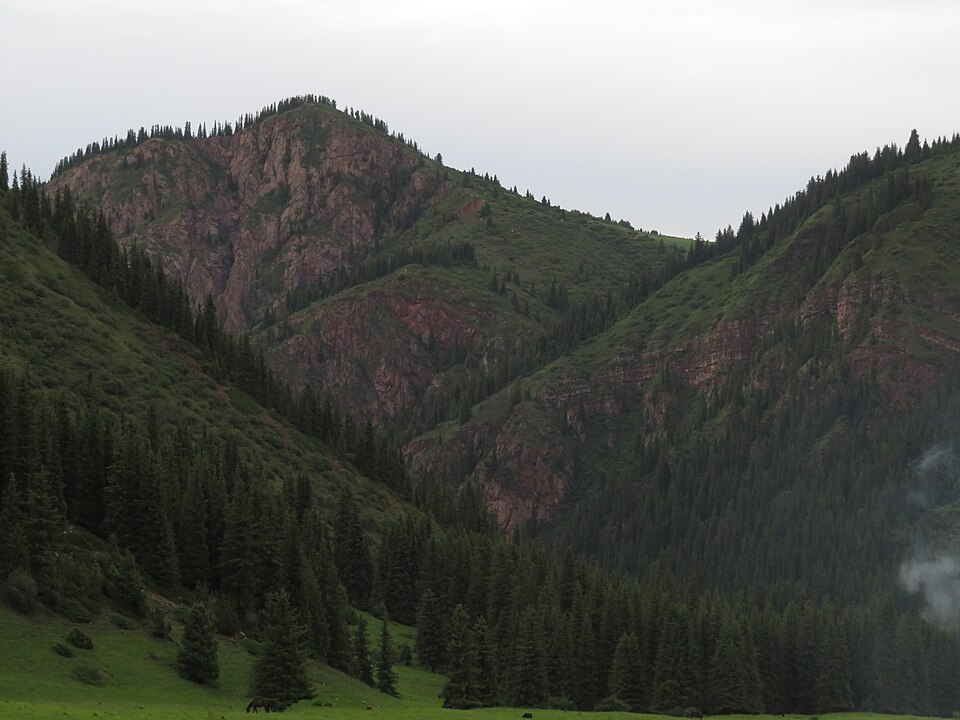
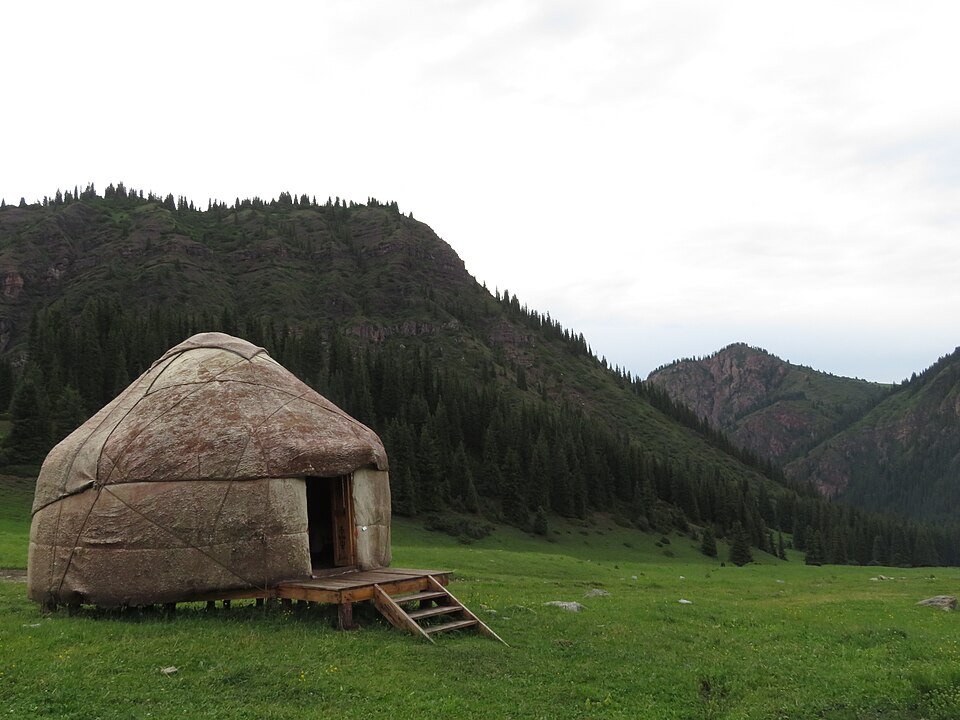
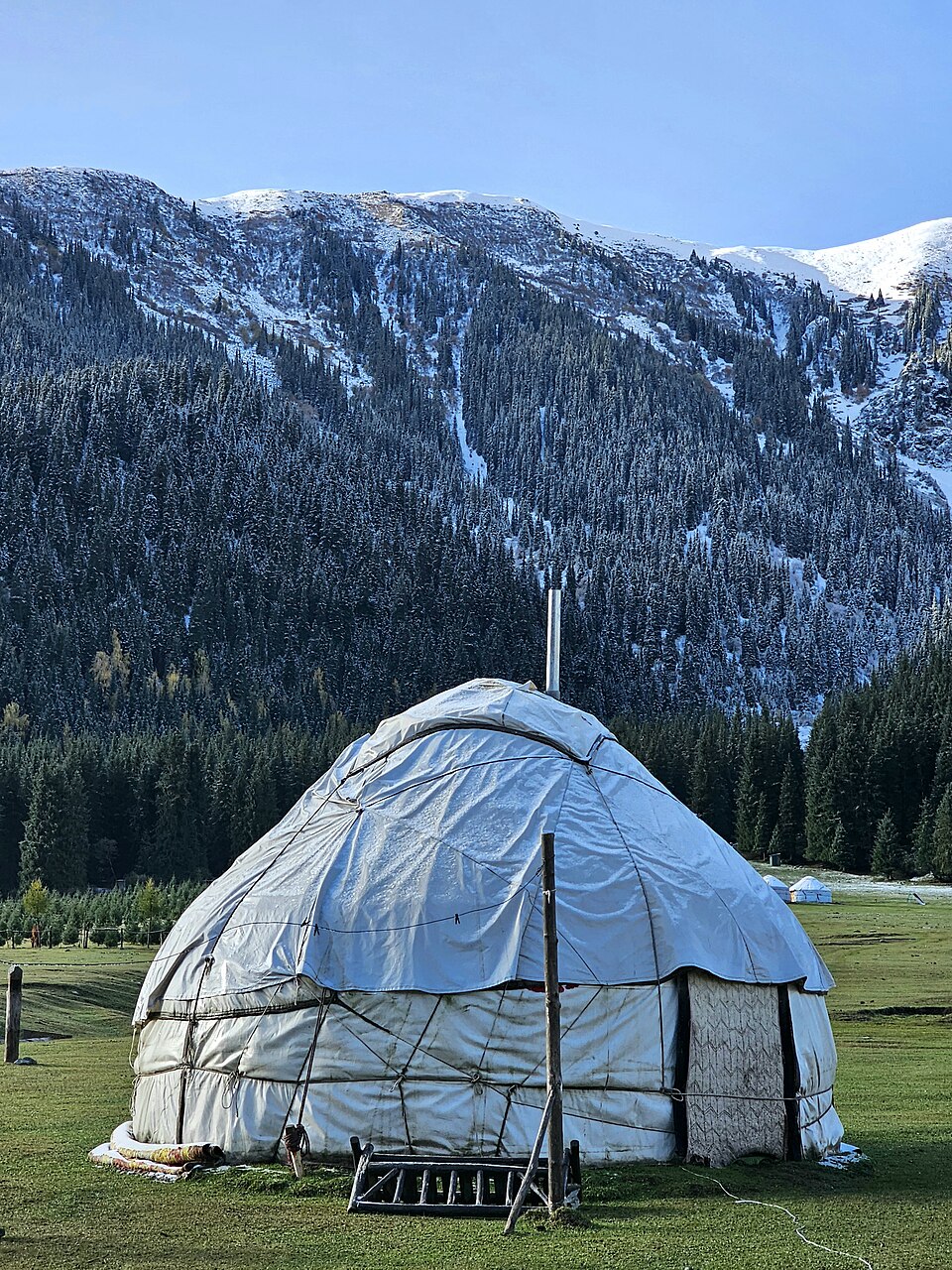
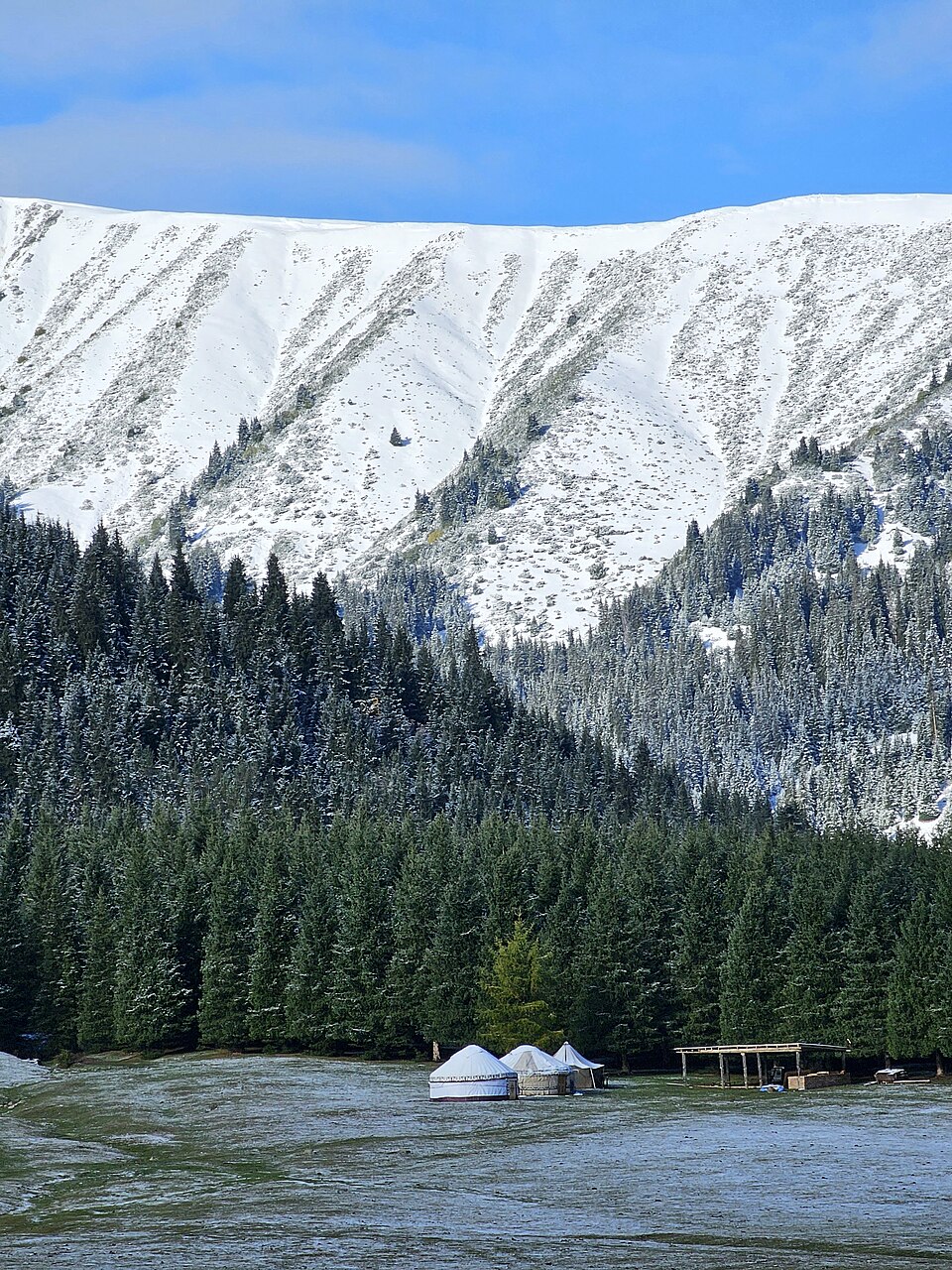
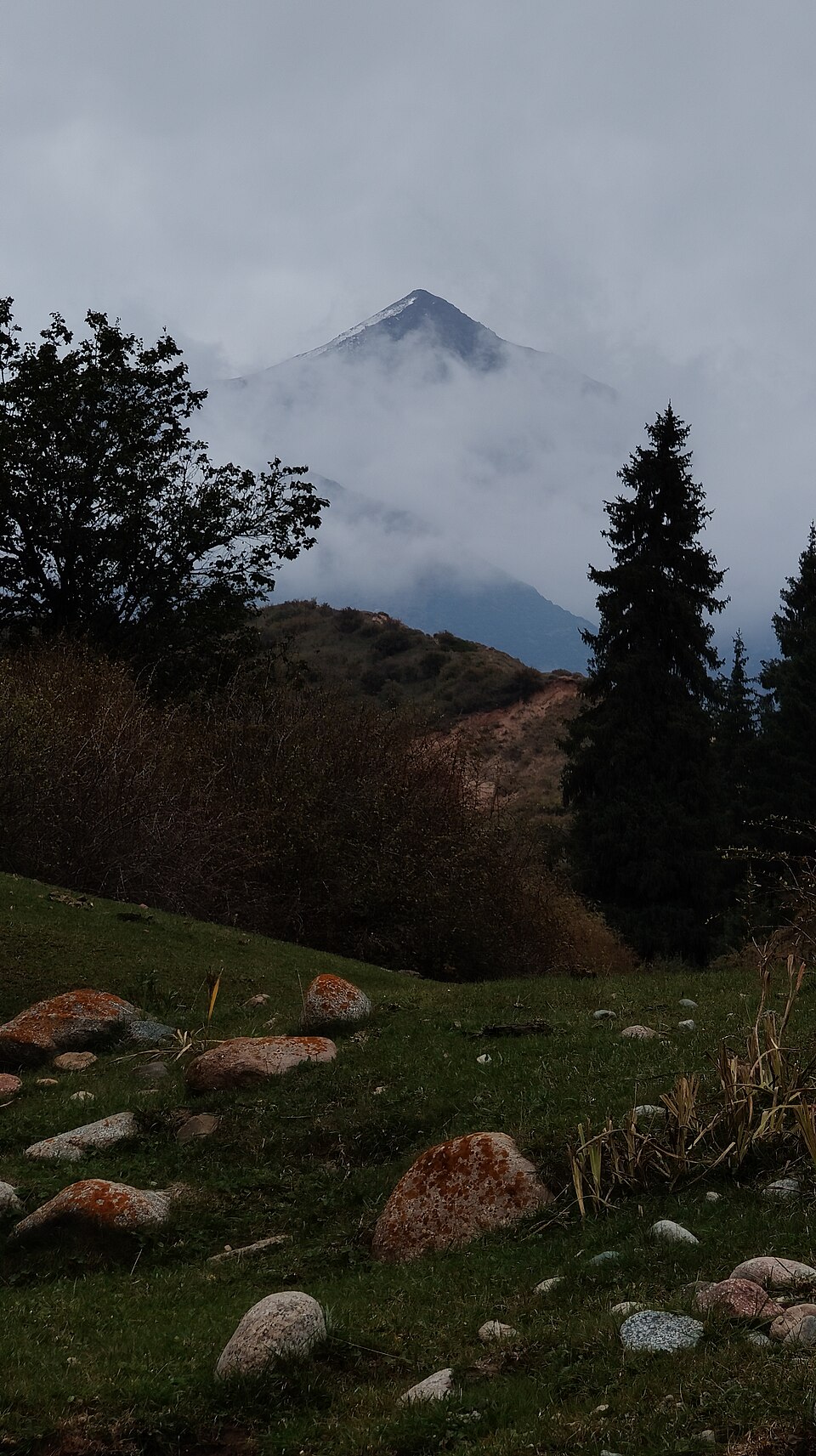
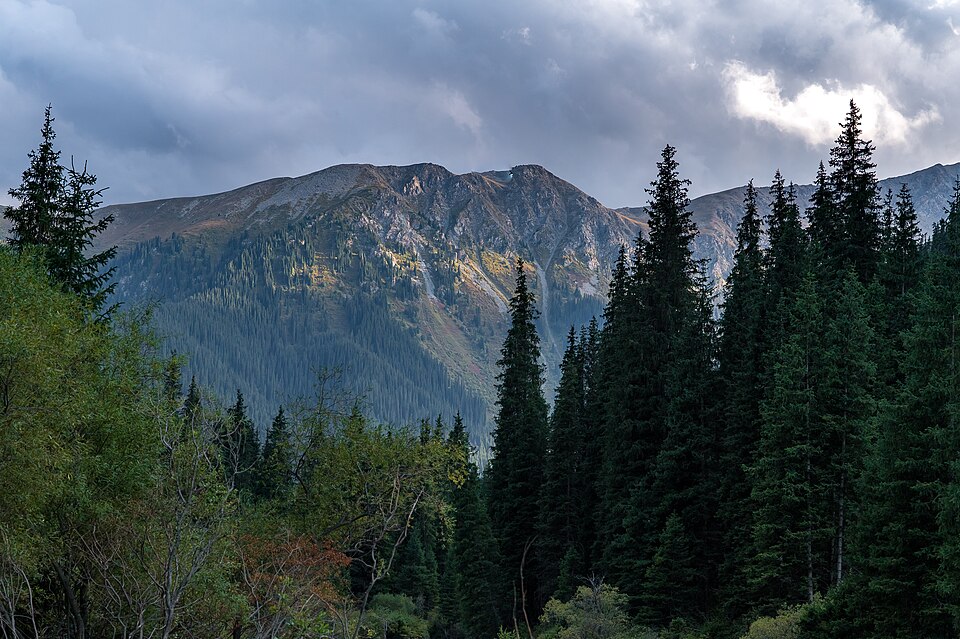
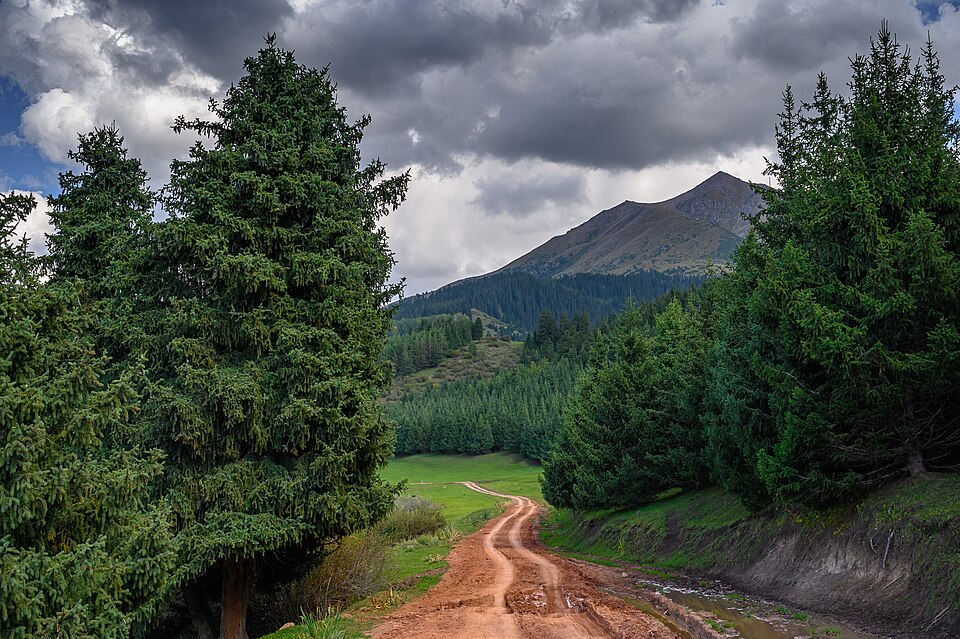
Destination photographs illustrate this article; they do not document every region or route discussed.